Thinking about brighter teeth? Understanding your teeth whitening options can help you choose a safe, effective approach that fits your timeline, sensitivity concerns, and budget.
Teeth Whitening Options: In-Office vs At-Home
There are three common paths people consider: professional in-office whitening, professional at-home kits provided by your dentist, and over-the-counter (OTC) whitening products. Each of these teeth whitening options has different strengths—some deliver faster results, while others are gentler or less expensive.
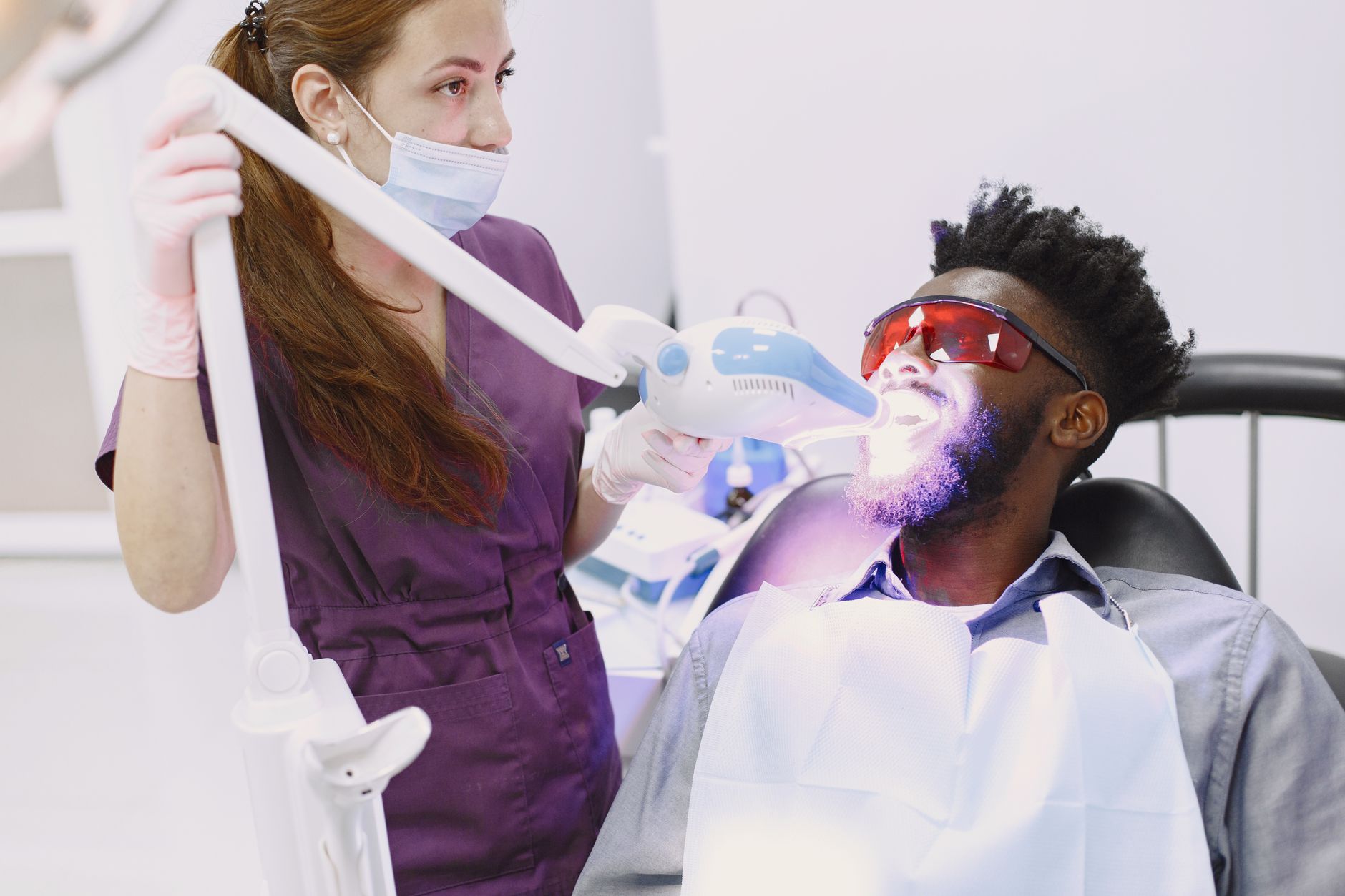
In-Office Professional Whitening
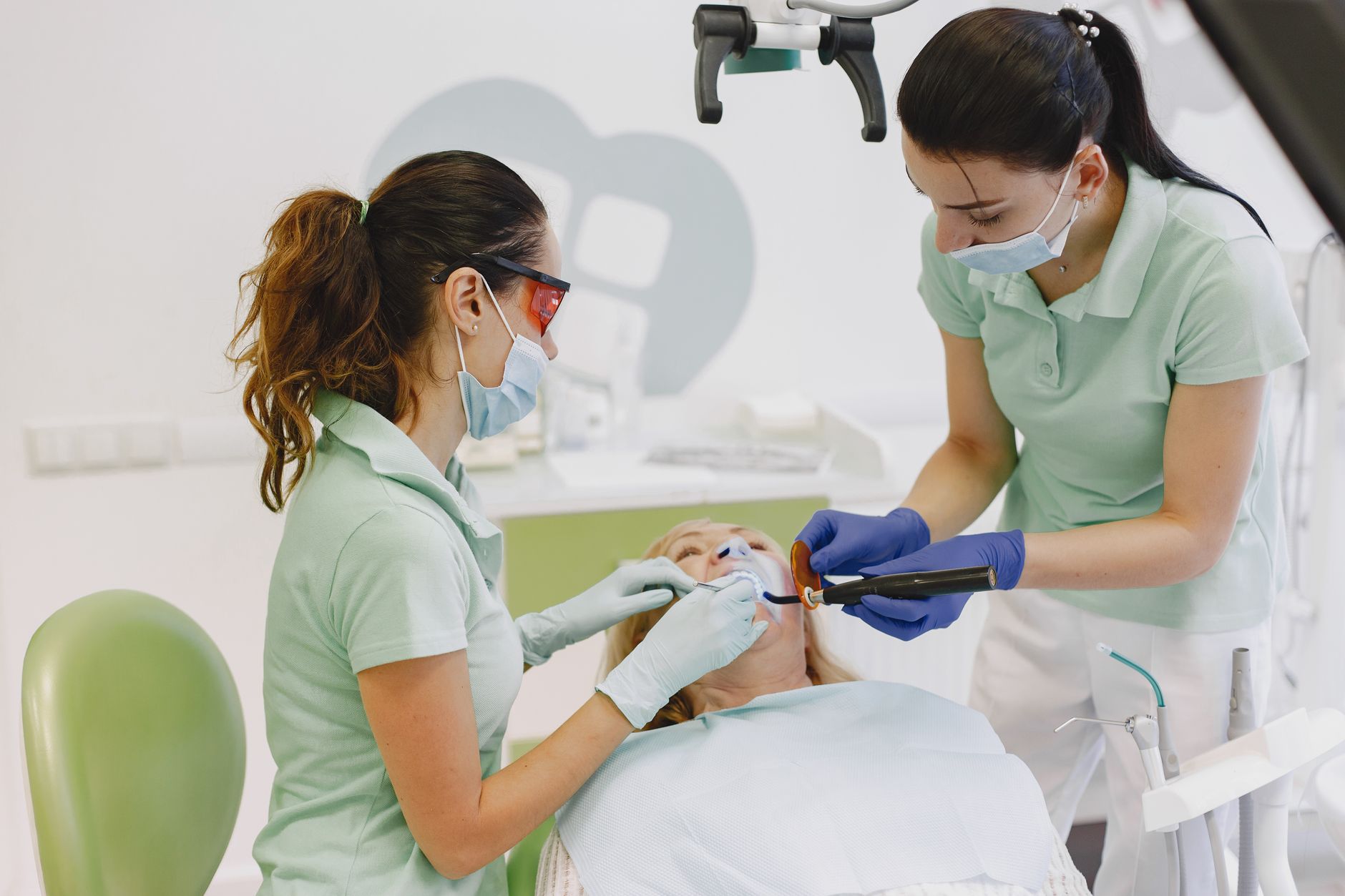
What it is: A dental team applies a stronger whitening gel and may use a light or special protocol to accelerate results.
- Pros: Fastest visible improvement, treatment is supervised by a dental professional, and the protocol can be adjusted for sensitivity.
- Cons: Usually requires a single office visit and may cause transient sensitivity for some people.
Professional At-Home Kits
What it is: Your dentist provides custom trays and a professional-strength gel you wear at home for several days or weeks.
- Pros: More gradual whitening with trays made to fit your teeth, often less sensitivity than in-office treatments.
- Cons: Requires discipline to wear trays as directed and takes longer to reach full results.
Over-the-Counter (OTC) Options
What it is: Whitening toothpastes, strips, and generic trays available at drugstores.
- Pros: Widely available and lower upfront cost.
- Cons: Results are typically milder and slower, and poorly fitting trays can cause gum irritation.
How to Decide Which Option Is Best
Consider these factors when comparing teeth whitening options:
- Type of staining: Surface stains from coffee, tea, or tobacco respond well to whitening, while intrinsic stains (from medication or past trauma) may need different approaches.
- Sensitivity: If you already have tooth sensitivity, professional at-home kits often let you control intensity and timing to reduce discomfort.
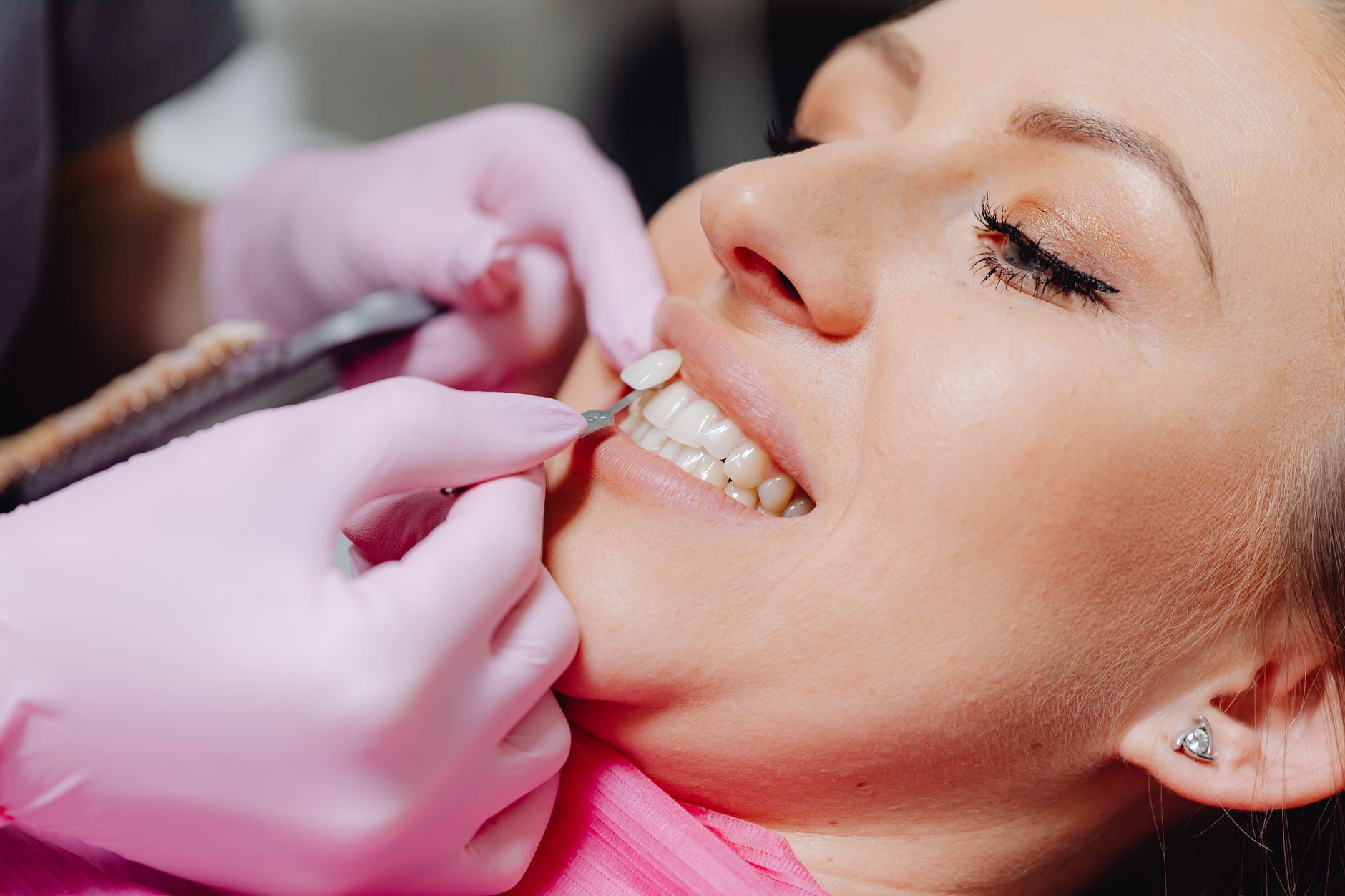
- Existing dental work: Whitening products lighten natural teeth but don’t change the color of crowns or veneers—discuss replacement or alternatives with your dentist.
- Timeframe: If you want quick results for an event, in-office treatment is usually fastest; at-home kits are better for gradual brightening.
- Oral health: Active gum disease or untreated cavities should be addressed before whitening. A professional cleaning or evaluation can help—see our page about check-ups & cleanings.
If you’re interested in cosmetic improvement beyond whitening—such as veneers or bonding—ask about our smile enhancement services to see which combination of treatments best meets your goals.
Dr. Ankit Jain and the team at Central Suffolk Dentistry serve patients across Ronkonkoma and Suffolk County, offering both in-office whitening and professionally supervised at-home kits. We’ll review your dental history, look at existing restorations, and recommend the safest option for your smile.
What to Expect During Treatment and Aftercare
Before whitening, your dentist will check for cavities and gum health. During in-office whitening expect the appointment to involve protective barriers for soft tissues and active monitoring. With at-home kits, follow the instructions for wear time and gel quantity carefully.
After whitening, avoid foods and drinks that stain (coffee, red wine, tobacco) for at least 48 hours and maintain good oral hygiene. Touch-up treatments or occasional at-home maintenance may help prolong results depending on your habits.
Ready to Choose?
If you’re unsure which teeth whitening options will work best for your smile, Dr. Ankit Jain can evaluate your oral health and goals and explain the pros and cons of each approach. To talk about whitening or other cosmetic choices, schedule an appointment. You can also call our office at 631-471-4500 to learn more.
Frequently Asked Questions
Are professional whitening treatments safe?
Professional whitening is safe when performed or supervised by a dentist; they check for cavities and gum issues first and can adjust treatment for sensitivity.
How long do whitening results last?
Results vary by habits like smoking or drinking staining beverages; many patients enjoy months to a few years of improvement and can use touch-ups to maintain results.
Can I whiten teeth with crowns or veneers?
Whitening products do not change the color of restorations like crowns or veneers; if you have visible restorations, your dentist can discuss replacing or matching them as part of a cosmetic plan.