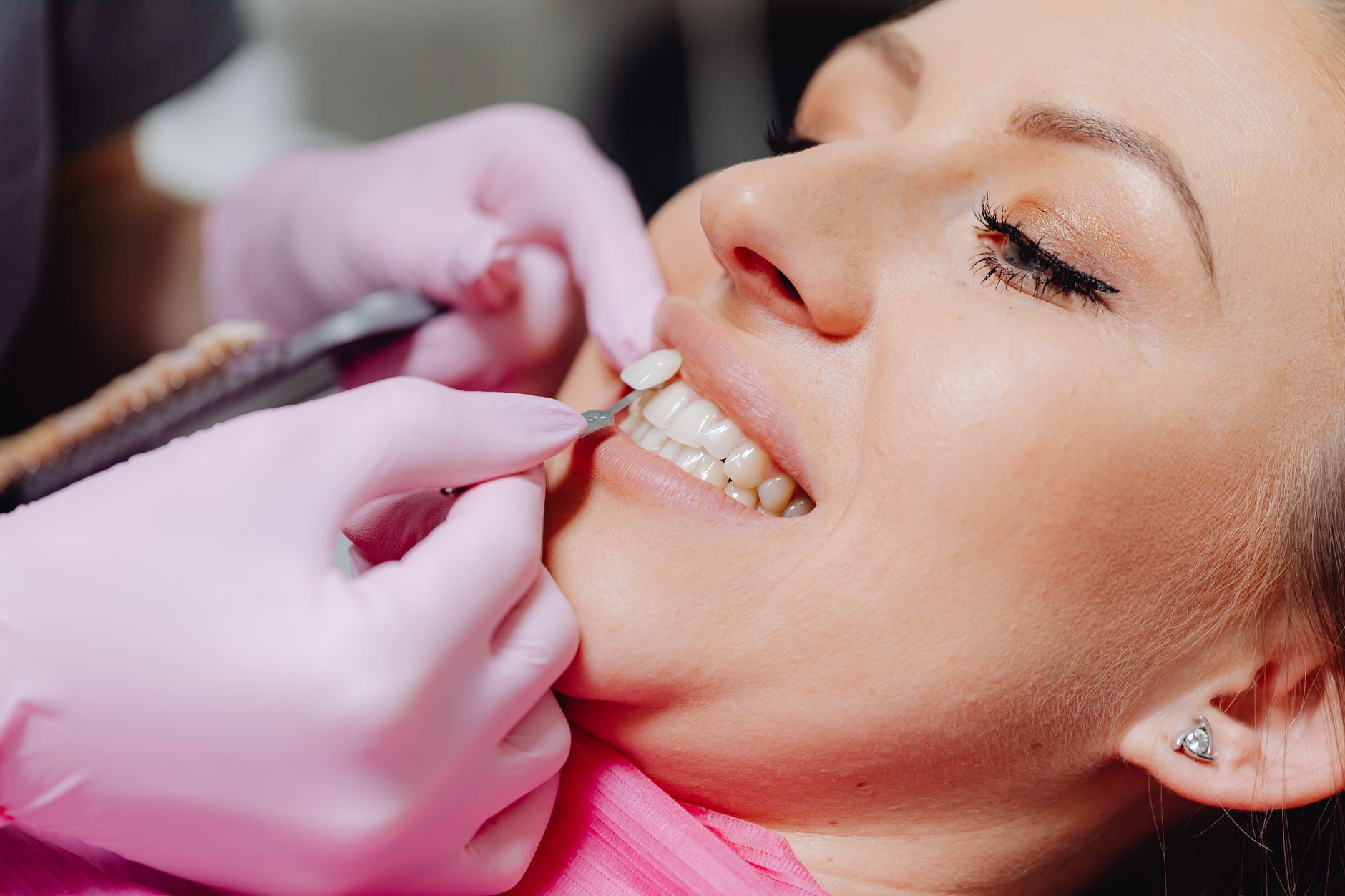
Dental veneers are thin shells bonded to the front of teeth to improve color, shape, or alignment. Many patients ask whether dental veneers are worth it—especially when weighing costs, longevity, and alternatives. This guide explains what veneers can (and can’t) do so you can make an informed decision.
What are dental veneers and who is a good candidate?
Veneers are most commonly made from porcelain or composite resin. They’re used to mask stains that don’t respond to whitening, repair small chips, close minor gaps, and create a more uniform-looking smile. Ideal candidates have generally healthy teeth and gums, and realistic expectations about results and maintenance. If you have extensive decay or weakened teeth, other options may be better.
Pros and cons of dental veneers
- Pros: Natural-looking results, stain resistance (porcelain), and fast transformation of the smile.
- Cons: Irreversible enamel removal for most porcelain veneers, potential sensitivity, and the need to replace veneers eventually.
Types of veneers and how they differ
Porcelain veneers are more durable and resist stains better, while composite veneers are more affordable and can often be placed in a single visit. The choice depends on your priorities—durability and aesthetics versus cost and speed.
What affects whether veneers are worth it?
- Condition of your natural teeth: Healthy underlying structure improves long-term results.
- Expectations: Veneers change appearance but won’t correct major bite or alignment problems—orthodontics or crowns may be needed.
- Maintenance: Good oral hygiene and regular check-ups help veneers last longer.
- Alternatives: Dental bonding, crowns, whitening, or minor orthodontics can sometimes achieve similar goals with different trade-offs.
If you’re exploring cosmetic options, review our smile enhancement options to compare treatments and find what fits your goals and budget: smile enhancement options.
What to expect during the veneer process
Typical steps include an initial evaluation, preparation of the teeth (shaping a small amount of enamel for porcelain veneers), impressions or digital scans, and final bonding of the veneers. Composite veneers may require less tooth preparation and can sometimes be completed in one visit.
Longevity, risks, and care
With proper care—brushing twice daily, flossing, avoiding excessive force (chewing ice, opening packages with teeth)—veneers can last many years. Risks include chipping, sensitivity, and the eventual need for replacement. Regular dental visits let your dentist spot issues early and maintain oral health around the veneers.
If you live in Ronkonkoma or elsewhere on Long Island and want a personalized assessment, Dr. Ankit Jain at Central Suffolk Dentistry can review whether dental veneers are a good fit alongside other cosmetic or restorative options. We evaluate your bite, oral health, and aesthetic goals before recommending a plan tailored to you.
How to decide if dental veneers are worth it
- List your priorities: appearance, durability, treatment time, and budget.
- Compare alternatives like bonding, whitening, crowns, or orthodontics.
- Talk through expected outcomes and maintenance with your dentist so you understand trade-offs.
Ready to explore whether dental veneers are right for your smile? schedule an appointment with our team to discuss options, or call us at 631-471-4500 for quicker scheduling.
Frequently Asked Questions
How long do dental veneers last?
Veneers can last many years with good care; porcelain tends to be more durable than composite, but eventual replacement is normal.
Are veneers painful to get?
Most patients experience only mild sensitivity during the process. Local anesthesia is used when teeth are prepared, and discomfort typically subsides quickly.
Can veneers stain like natural teeth?
Porcelain veneers resist staining better than natural enamel or composite, but good oral hygiene and avoiding heavy staining habits help maintain appearance.
What are alternatives to veneers?
Alternatives include dental bonding, teeth whitening, crowns, or orthodontic treatment depending on your goals and the condition of your teeth.