Considering dental sedation? Learn what dental sedation is, who benefits, the different types, safety points, and how to decide if it’s right for you.


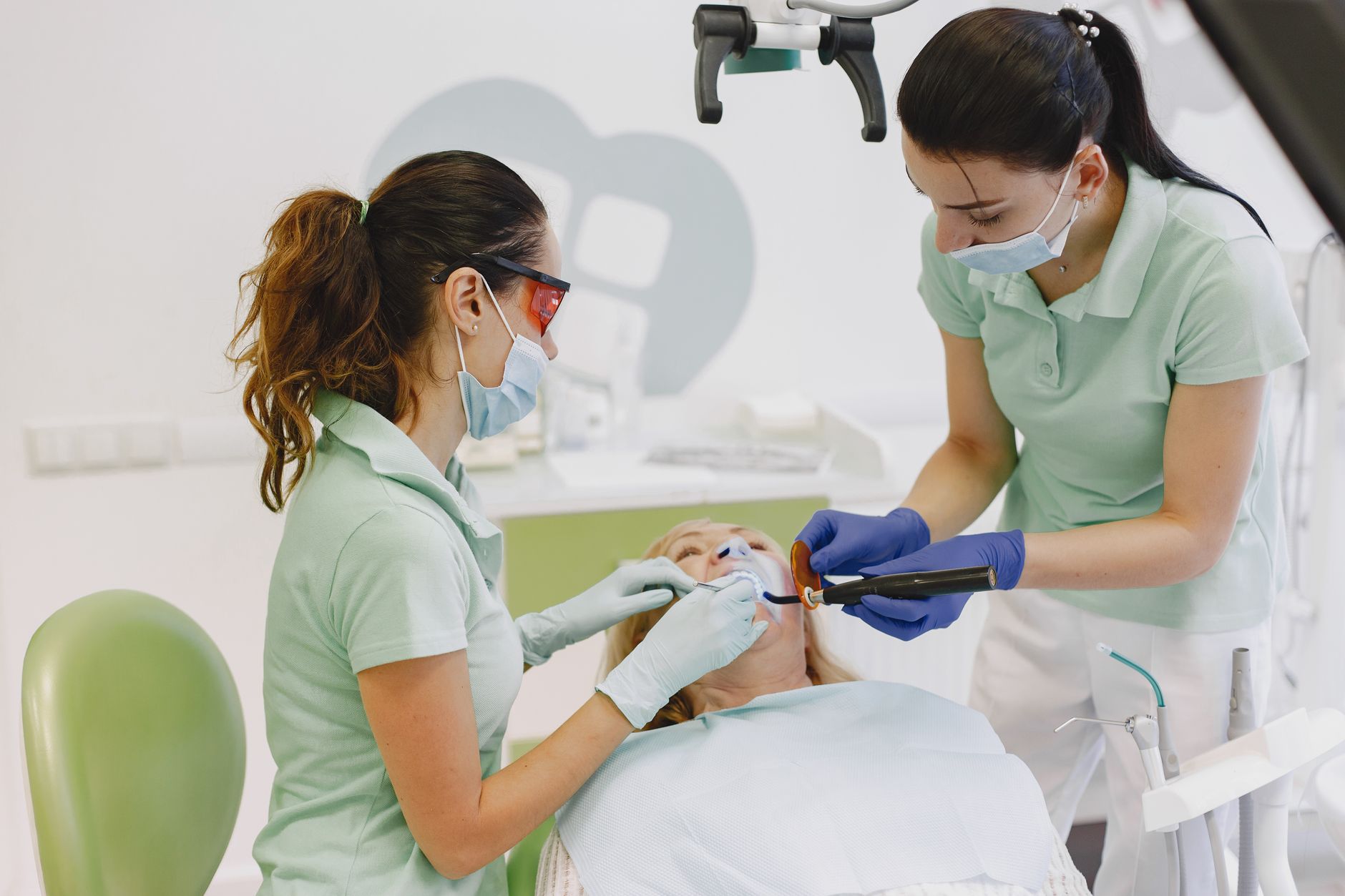
Dental sedation can help patients feel calm and comfortable during dental care. If you feel nervous about the dentist, have a strong gag reflex, or need a long procedure, dental sedation may be a useful option to discuss with your provider.
What is dental sedation?
Dental sedation ranges from mild relaxation with oral medication or nitrous oxide (laughing gas) to deeper sedation administered by IV. It’s not the same as general anesthesia — most forms of dental sedation allow you to breathe on your own and recover more quickly after treatment.
Who might benefit from dental sedation?
- People with dental anxiety or fear
- Patients needing lengthy or complex procedures
- Those with a strong gag reflex or limited mouth opening
- Patients with difficulty staying still (for example, some medical conditions)
If you normally avoid the dentist because of anxiety, starting with routine care like check-ups and cleanings while discussing mild sedation options can help build trust and reduce fear. Our office can also explain how sedation could fit into a multi-step treatment plan for more complex work; see our check-ups & cleanings and full range of services for more background.
Types of dental sedation
Mild (minimal) — nitrous oxide or oral sedatives
Nitrous oxide is inhaled through a mask and wears off quickly after the visit. Oral sedatives are pills taken before the appointment; they produce relaxation but usually allow you to respond to instructions.
Moderate — stronger oral or IV medications
Moderate sedation can make you drowsy and cause partial memory of the procedure. IV sedation acts quickly and can be adjusted during treatment.
Safety and what to expect
Dental sedation is generally safe when administered by trained professionals and when your medical history is reviewed beforehand. Your dentist will ask about medications, allergies, and medical conditions, and provide clear pre- and post-care instructions. You’ll need a companion to drive you home for most moderate sedation options.
Questions to ask your dentist about dental sedation
- What type of sedation do you recommend for my procedure and why?
- Who will administer and monitor the sedation?
- What medical information should I share beforehand?
- What are the costs and recovery steps?
At Central Suffolk Dentistry, Dr. Ankit Jain and the team will review your health history and walk through options so you can make a comfortable, informed choice. If sedation isn’t needed, we’ll suggest other ways to manage anxiety and improve comfort during treatment.
How to decide if dental sedation is right for you
Deciding about dental sedation comes down to the type of procedure, your comfort level, and your medical history. Talk openly with your dentist about past experiences and concerns. For routine care, many patients start with milder options; for longer or more invasive procedures, deeper sedation may be appropriate.
To discuss whether dental sedation fits your needs, schedule an appointment with our team.
If you have an urgent dental issue or severe pain, seek care promptly or visit our dental emergencies page for guidance.
Ready to move forward? Call us or schedule an appointment. 631-471-4500
Frequently Asked Questions
Is dental sedation safe?
When given by trained professionals and after reviewing your medical history, dental sedation is generally safe. Your dentist will explain risks and monitoring procedures.
Will I be asleep during dental sedation?
It depends on the type: nitrous oxide and mild oral sedatives usually leave you relaxed but awake, while deeper IV sedation can make you very drowsy or partially unaware.
How long does it take to recover from dental sedation?
Recovery varies by type — nitrous oxide wears off quickly, while oral or IV sedation may require several hours and a companion to drive you home.
Can I eat or take my medications before sedation?
Your dentist will give specific pre-appointment instructions. Often you’ll need to avoid eating for a few hours and discuss any medications you take beforehand.
Book a Consultation
It’s easy and free!