Learn common chipped tooth repair options—bonding, veneers, crowns, and when to seek urgent care. Steps, recovery, and how we decide the best fix for your smile.

A chipped tooth can happen suddenly while eating, playing sports, or from a fall. Chipped tooth repair depends on how much enamel is missing, whether the underlying tooth is exposed, and whether you’re feeling pain or sensitivity. Understanding your options helps you make the right choice quickly.
Chipped Tooth Repair: Common Treatment Options
Treatment varies by severity. Options for chipped tooth repair include:
- Smoothing and polishing: Small chips that don’t affect the tooth’s structure can often be smoothed and polished to restore shape.
- Dental bonding: Tooth-colored resin is shaped and hardened to rebuild small-to-moderate chips in one visit.
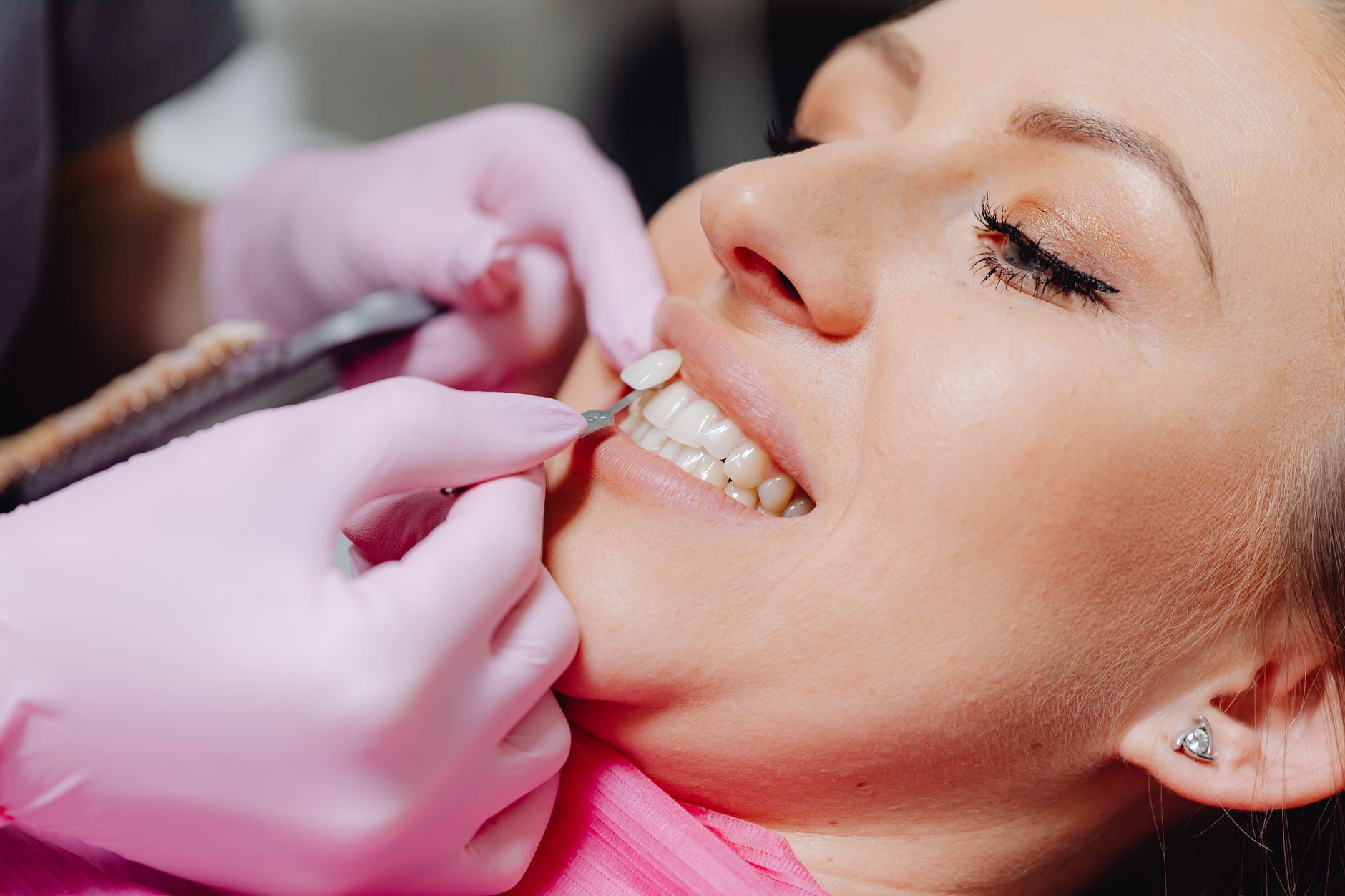
- Porcelain veneer: For front teeth with cosmetic concerns, a thin porcelain shell can cover the chip and improve appearance.
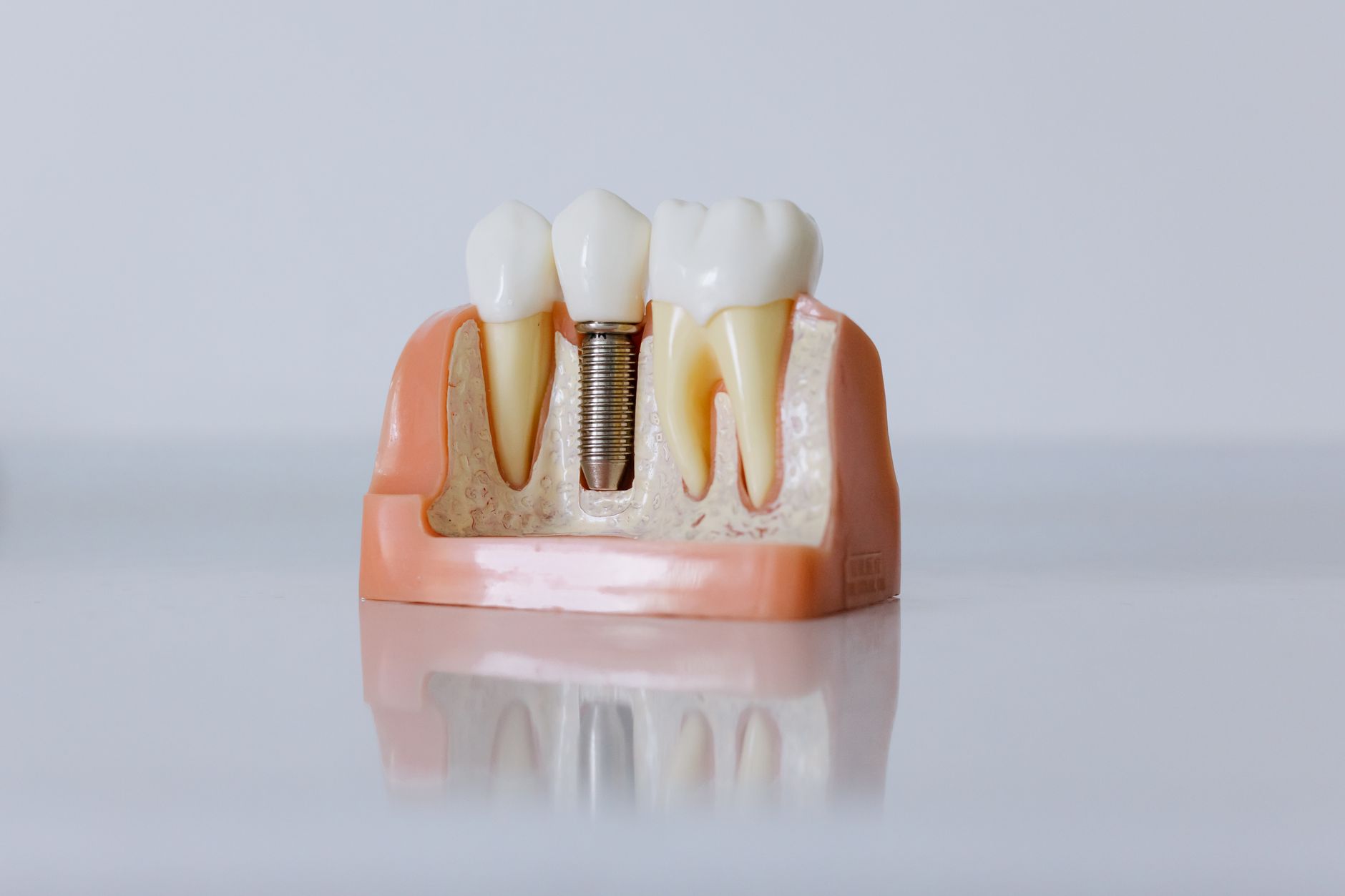
- Crown (cap): Larger breaks that weaken the tooth may require a crown to protect and restore function.
- Root canal and restoration: If the chip exposes the nerve or causes infection, a root canal followed by a crown may be necessary.
When to See a Dentist Right Away
Seek prompt care if you have sharp pain, visible pulp (a dark or pink center), heavy bleeding, or a large portion of the tooth is missing. Even minor chips should be evaluated to rule out hidden cracks. If your situation feels urgent, you can 631-471-4500 to speak with our office.
At Central Suffolk Dentistry, Dr. Ankit Jain and the team assess the chip, take X-rays when needed, and recommend the least-invasive option that restores function and appearance. We serve patients across Ronkonkoma and Long Island and can explain which treatment fits your lifestyle.
How We Decide Between Options
Factors that influence chipped tooth repair include the chip’s size and location, whether the nerve is affected, your bite, cosmetic concerns, and overall oral health. We also consider material longevity and how many visits each option requires.
For guidance on similar problems and repairs, see our page on treatment for broken teeth which explains common causes and steps we take.
What to Expect During Treatment
- Bonding: One appointment, minimal drilling, local anesthetic usually not required, immediate results.
- Veneer: Two visits—preparation and final placement—with a temporary if needed.
- Crown: Two visits or same-day crown in some cases; the tooth is shaped and covered to restore strength.
- Root canal + crown: Requires additional steps to remove infected tissue before restoring the tooth.
Aftercare and Prevention
After repair, avoid hard or sticky foods for a few days, maintain good oral hygiene, and wear a night guard if you grind your teeth. Regular check-ups help catch wear early—see our page on check-ups & cleanings for routine care.
If you’re ready to restore a chipped tooth or want an expert exam, you can schedule an appointment online. Our team will explain the recommended options, expected timeline, and next steps tailored to your needs.
To speak with us directly or arrange care, schedule an appointment or call 631-471-4500.
Frequently Asked Questions
How long does chipped tooth repair last?
Longevity depends on the treatment—bonding can last several years, veneers and crowns last longer with good care. Regular check-ups help spot wear early.
Is a chip painful and when is it an emergency?
Small chips may be painless; pain, swelling, heavy bleeding, or visible nerve tissue are signs to seek urgent care and possibly emergency treatment.
Can a chipped tooth be fixed in one visit?
Yes—minor chips are often repaired with bonding in a single visit, while veneers or crowns usually require two visits.
Will insurance cover repair for a chipped tooth?
Coverage varies by plan and the treatment chosen. Our office can help you verify benefits and explain options that fit your needs.
Book a Consultation
It’s easy and free!