
If a crown falls off, stay calm and follow a few simple steps to protect the tooth and reduce discomfort. If you need immediate help, call us now at 631-471-4500 for guidance and next steps.
What to do when a crown falls off: immediate steps
When your crown falls off, try to find the crown and keep it safe—bring it with you to the dentist if possible. Rinse the crown gently with warm water (do not scrub or use chemical cleaners). If the underlying tooth is painful or bleeding, apply gentle pressure with clean gauze.
- Save the crown in a clean container or sealed plastic bag.
- Use over-the-counter pain relief and a cold pack on the outside of your cheek if you have swelling.
- Avoid chewing on that side and stick to soft foods until you are seen.
- If the crown can be temporarily reattached, use a small amount of dental cement from a pharmacy—but only as a short-term measure.
When to treat it as a dental emergency
If you have severe pain, swelling, or signs of infection, treat the situation as a dental emergency and seek care right away. A crown that comes off because of decay, a cracked tooth, or swelling needs prompt attention to prevent further damage.
How your dentist decides next steps
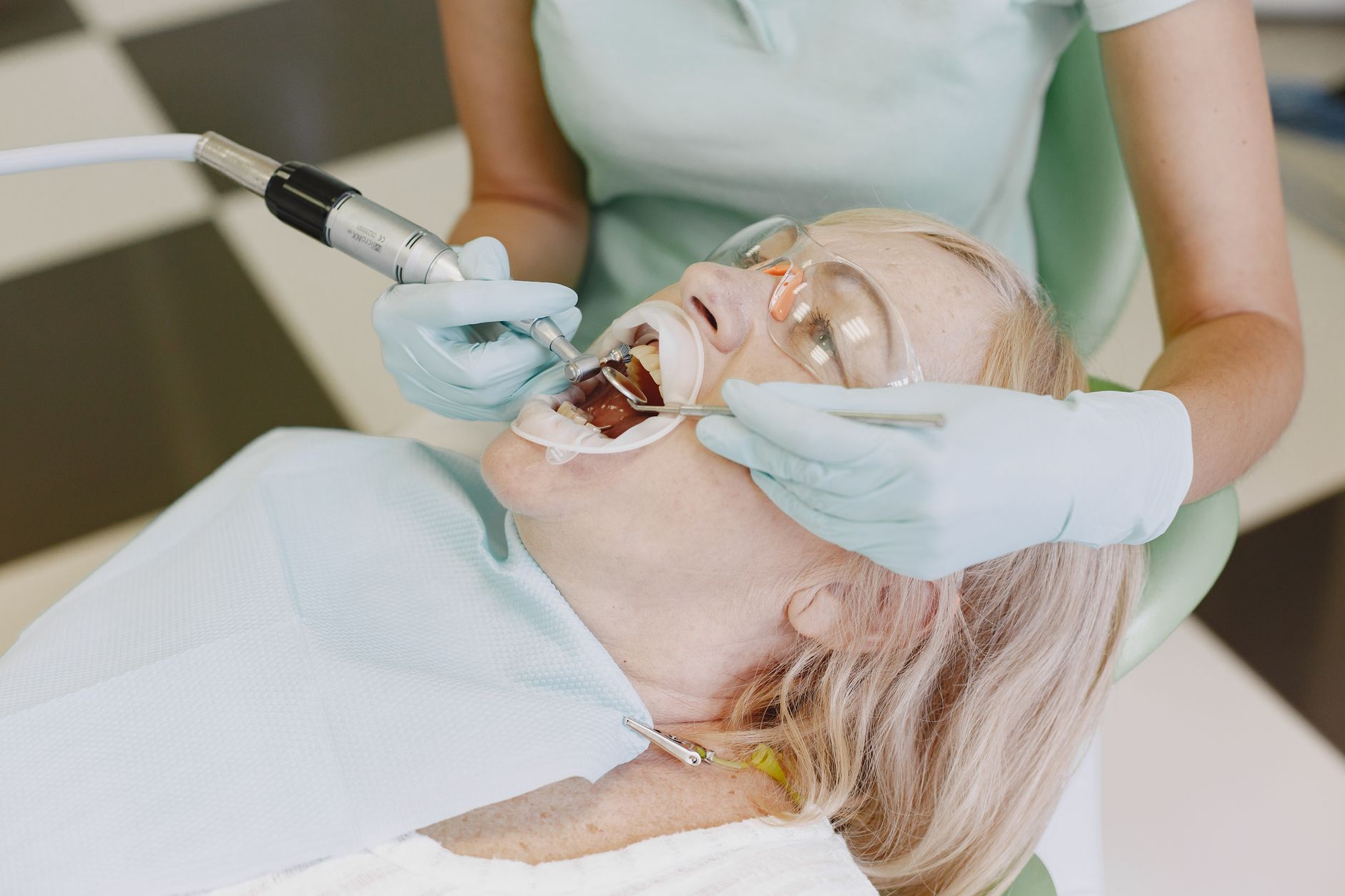
At your visit the dentist will examine the tooth, check for decay or cracks, and decide whether the original crown can be reused, needs repair, or should be replaced. Factors include how well the crown fits, the condition of the underlying tooth, and your bite. If the tooth under the crown is damaged or infected, additional treatment may be needed.
For routine care and to reduce the chance of problems like a crown falling off, regular maintenance is important—ask about scheduling regular cleanings and exams in our Check-ups & cleanings section.
Dr. Ankit Jain and the team at Central Suffolk Dentistry serve patients across Ronkonkoma and Long Island and can walk you through the options, whether the crown can be reseated or a new restoration is best.
Temporary fixes vs. permanent solutions
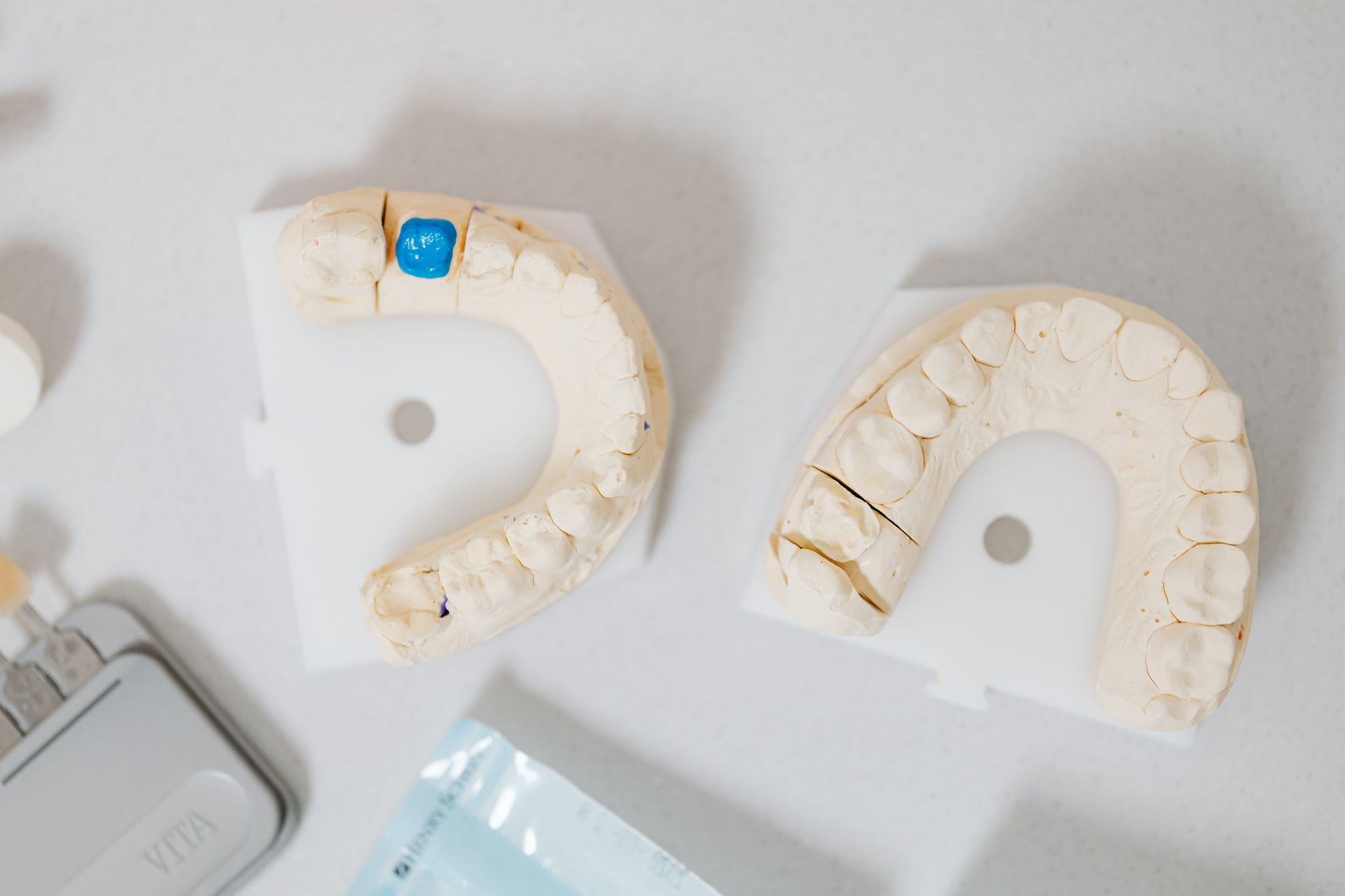
Temporary fixes, like applying temporary dental cement from a pharmacy, are only short-term. Permanent solutions can include re-cementing the original crown, fabricating a new crown, or treating the underlying tooth if there is decay or damage. Your dentist will explain the pros and cons of each option and help you choose the best plan for your needs.
Preventing future problems
- Maintain good oral hygiene, brushing twice daily and flossing to reduce decay around crowns.
- Avoid very sticky or hard foods that can dislodge restorations.
- Keep regular dental visits so small issues can be fixed before they become emergencies.
If a crown falls off, don’t delay—call for guidance at 631-471-4500 and schedule an appointment so we can assess and protect the tooth.
Frequently Asked Questions
Is it an emergency if my crown falls out?
If you have severe pain, swelling, or signs of infection, seek immediate care. If there’s no pain, you can usually schedule a prompt dental visit within a day or two.
Can I put the crown back in myself?
You can temporarily reattach a crown using over-the-counter temporary dental cement, but this is short-term. The crown should be evaluated and permanently re-seated by your dentist.
Will the tooth always need a new crown?
Not always. Sometimes the original crown can be cleaned and re-cemented, but if the tooth underneath is damaged or decayed, a new crown or additional treatment may be necessary.
How long can I wait to see a dentist after my crown falls off?
If there’s no pain or swelling, see your dentist as soon as possible—ideally within a few days. If you have any signs of infection or intense pain, get urgent care right away.