Wondering if you need a night guard for teeth grinding? Learn the signs, types of guards, fitting and care, and when to see a dentist for bruxism.

If you wake with a sore jaw, headaches, or notice worn tooth surfaces, you may be wondering: do I need a night guard for teeth grinding? A night guard can protect teeth and reduce jaw strain, but it isn’t the right first step for everyone.
How to know if you need a night guard for teeth grinding
A night guard for teeth grinding (also called bruxism) is commonly recommended when there is clear evidence of damage or persistent symptoms. Look for these signs:
- Frequent morning jaw pain or tightness
- Tooth sensitivity or visible wear on chewing surfaces
- Regular headaches or ear pain without another clear cause
- Partner reports hearing grinding noises at night
Common causes and when to act
Many factors can lead to grinding: stress, an abnormal bite, sleep disorders, or certain medications. If bruxism is causing tooth damage, dental pain, or sleep disruption, it’s reasonable to consider a night guard. In some cases your dentist may recommend a sleep study or refer you to a physician if a sleep disorder is suspected.
Types of night guards and what to expect
There are a few common types of night guards:
- Over-the-counter (boil-and-bite) guards — less expensive, one-size-fits-many fit, and may be a short-term option.
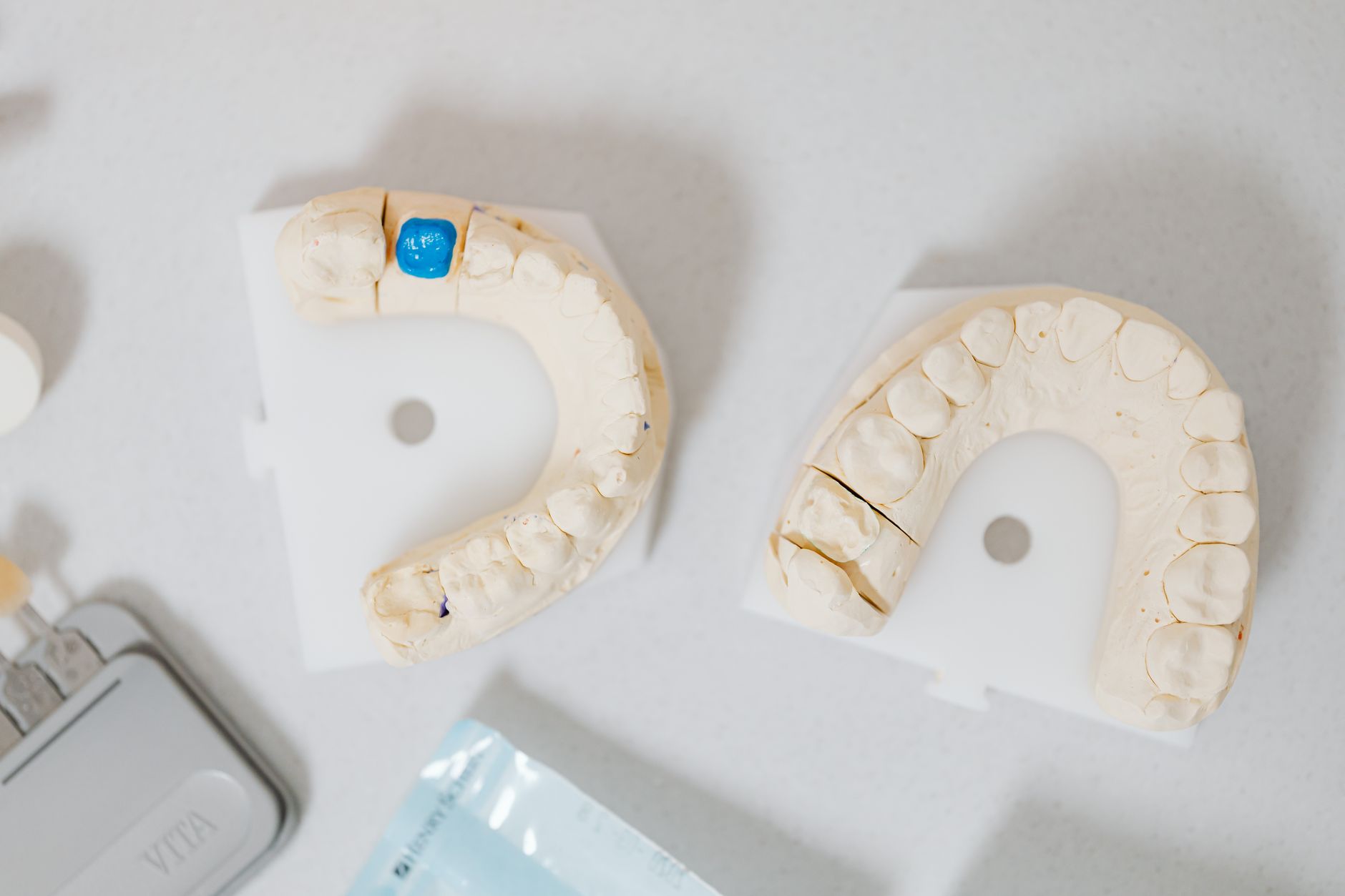
- Custom-made hard or soft night guards from your dentist — created from impressions of your teeth for a better fit and long-term protection.
- Dual-laminate guards — softer inside with a firmer outer layer for patients who clench strongly.
Custom night guards generally fit better and are more durable than store-bought options, but the best choice depends on how severe your grinding is, your bite, and comfort preferences.
Fitting, care, and follow-up
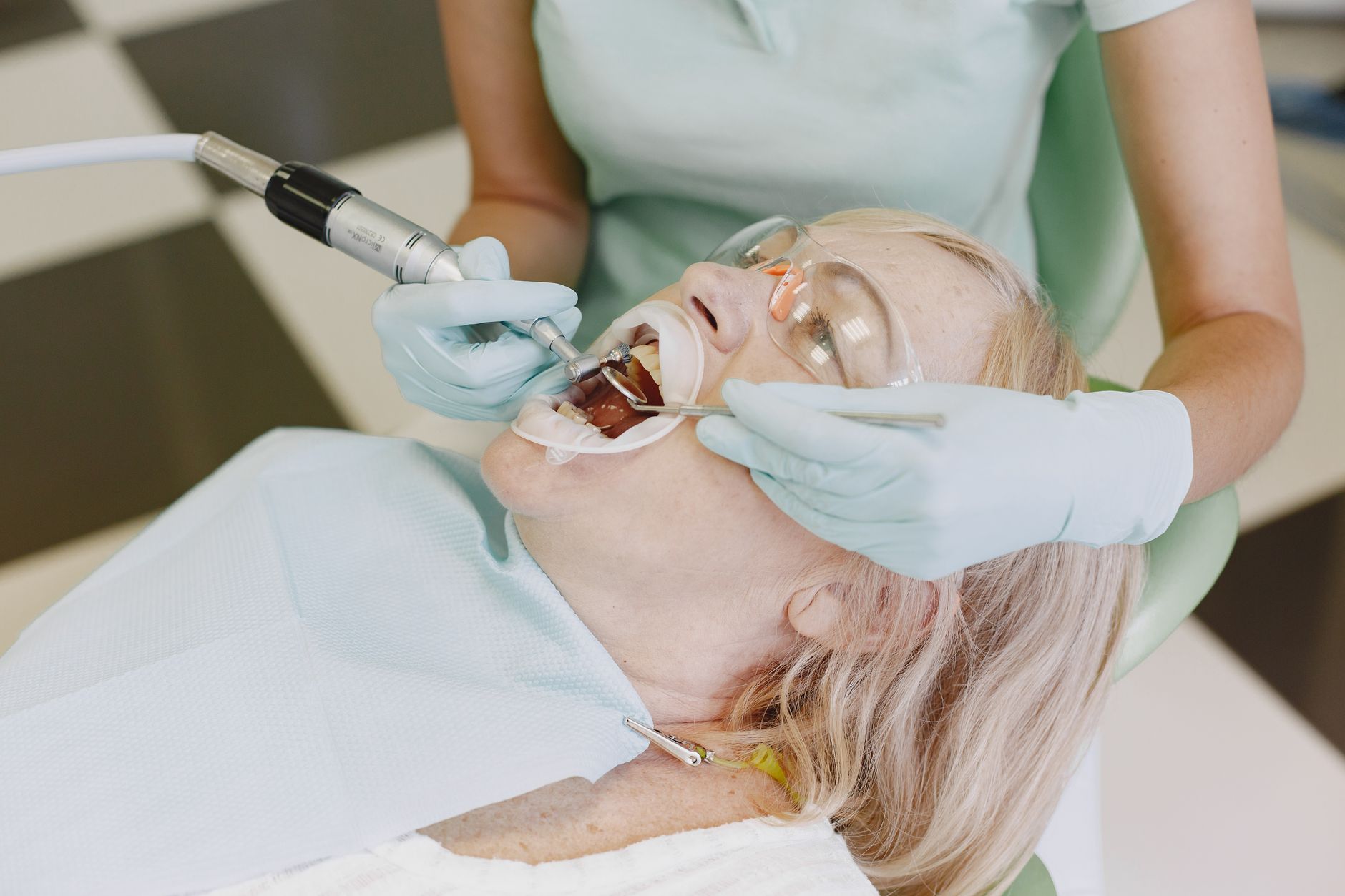
A typical custom night guard visit includes a dental exam, impressions or digital scans, and a follow-up to check fit. Proper care extends the life of the appliance: rinse after use, store in its case, and clean according to your dentist’s instructions. Expect periodic check-ups so your dentist can monitor wear and make adjustments.
Alternatives and complementary treatments
A night guard treats the effects of grinding but doesn’t always stop the behavior. Other strategies include stress-reduction techniques, bite adjustments, physical therapy for the jaw, or evaluation for sleep-related breathing problems. Your dentist can help you understand which mix of treatments fits your situation.
At Central Suffolk Dentistry, Dr. Ankit Jain evaluates the whole picture—your teeth, bite, and symptoms—before recommending a night guard or other steps. If you’re due for a dental exam, routine care can reveal early signs of wear; learn more about our check-ups & cleanings and available dental services.
Cost considerations
Cost varies based on the type of appliance, lab fees, and the number of follow-up visits. Insurance coverage also varies; your dentist’s office can explain likely costs and payment options. When discussing price, ask about materials, expected lifespan, and any needed adjustments.
When to see a dentist right away
Make an appointment if you notice rapidly increasing tooth sensitivity, visible chipping, or persistent jaw pain that affects daily life. Early treatment protects teeth and can prevent more extensive dental work later.
If you’re concerned about grinding or jaw pain, we can help you weigh options and create a personalized plan. To get started, schedule an appointment or call us at 631-471-4500.
Frequently Asked Questions
How long does a custom night guard last?
Lifespan varies with material and how much you grind; many custom guards last several years with proper care and monitoring.
Will a night guard stop my teeth grinding completely?
A night guard protects teeth from damage but may not eliminate grinding; combining it with stress management or other therapies can help reduce the behavior.
Can I use an over-the-counter guard instead of a custom one?
Over-the-counter guards can be a short-term option, but a custom-made guard usually offers a better fit, comfort, and long-term protection.
Do insurance plans cover night guards?
Coverage varies by plan; some insurers cover part of the cost while others do not—check your benefits and ask your dental office about payment options.
Book a Consultation
It’s easy and free!