Learn how long dental crowns typically last, the factors that affect crown longevity, signs a crown needs replacement, and tips to extend its life.

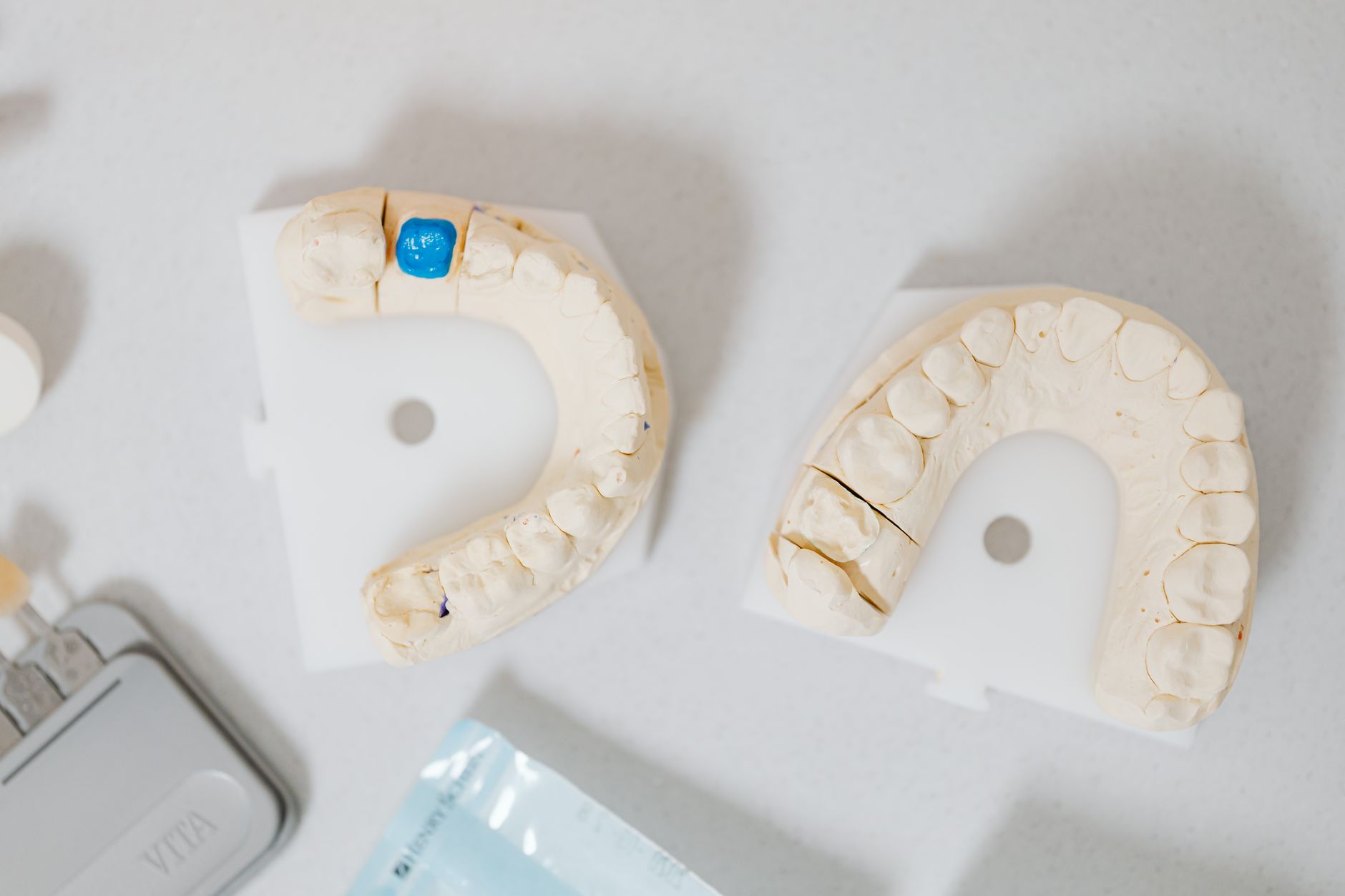
How long do dental crowns last is one of the first questions patients ask when considering a crown. While there’s no single answer for every person, understanding the factors that affect crown longevity can help you set realistic expectations and care for your restoration.
How long do dental crowns last: main factors
Several factors determine how long a crown will last:
- Material: Porcelain, porcelain-fused-to-metal, zirconia, and gold all wear differently and have different strengths.
- Location in the mouth: Crowns on back teeth take more chewing stress than those on front teeth.
- Oral hygiene: Good brushing, flossing, and regular dental visits protect the tooth under the crown from decay or gum disease.
- Bite forces and habits: Clenching, grinding (bruxism), or chewing hard items can shorten a crown’s life.
- Quality of the remaining tooth: A well-prepared tooth with a good root structure supports a crown better than a compromised tooth.
- Dental technique and fit: Proper shaping, impressions, and cementing by your dentist affect long-term success.
Signs your crown may need replacement
- Sensitivity when biting or to temperature changes
- Visible chips, cracks, or a loose feeling
- Discomfort or a change in your bite
- Dark lines near the gumline (on certain crown types) or recurrent decay at the margin
If you notice any of these issues, it’s a good idea to seek care—our page on repairing cracked or broken teeth explains common restorative options.
How to extend the life of a dental crown
- Maintain excellent oral hygiene: brush twice daily and floss around the crown to prevent decay at the margins.
- Wear a night guard if you grind or clench to protect the crown from excessive force.
- Avoid chewing ice, hard candies, or using teeth as tools.
- Keep regular dental check-ups so your dentist can spot small problems before they require a crown replacement.
At Central Suffolk Dentistry, Dr. Ankit Jain evaluates each case individually and will discuss material choices and maintenance tips so you understand what to expect. If you’d like to review restorative options, we also outline them on our restorative services page.
What to expect if a crown needs replacement
Replacing a crown usually involves removing the old crown, assessing the underlying tooth, and taking new impressions for a replacement crown. Your dentist will explain whether the tooth can support another crown or if additional treatment is needed. While replacement timelines vary, your care team will outline the steps and follow-up needed for your particular situation.
If you have concerns about an existing crown or want a professional evaluation, call our office or schedule an appointment to discuss options and next steps.
To learn more about protecting restorations and routine care, consider regular check-ups and cleanings to catch issues early: check-ups & cleanings.
Ready to talk about your crown? Call 631-471-4500 or schedule an appointment with our team.
Frequently Asked Questions
How can I tell if my dental crown is failing?
Look for sensitivity, pain when biting, looseness, visible chips or cracks, or dark lines at the gumline; any of these warrant a dental exam.
Can a crown be repaired or must it be replaced?
Minor chips or adjustments can sometimes be repaired, but significant damage, looseness, or decay at the margin often requires replacement.
Does the material of a crown affect how long it lasts?
Yes — materials like gold, zirconia, and porcelain have different strengths and wear patterns, and your dentist will recommend the best choice for your tooth.
What can I do to make my crown last longer?
Maintain excellent oral hygiene, avoid chewing hard objects, wear a night guard if you grind your teeth, and keep regular dental appointments for professional care.
Book a Consultation
It’s easy and free!