Learn how to choose between a root canal vs extraction. We cover signs, pros and cons, treatment steps, and replacement options to help you decide.

Deciding between a root canal vs extraction is a common concern when a tooth hurts or is badly damaged. Understanding the differences, benefits, and what to expect can help you make the right choice for your oral health.
What does “root canal vs extraction” mean?
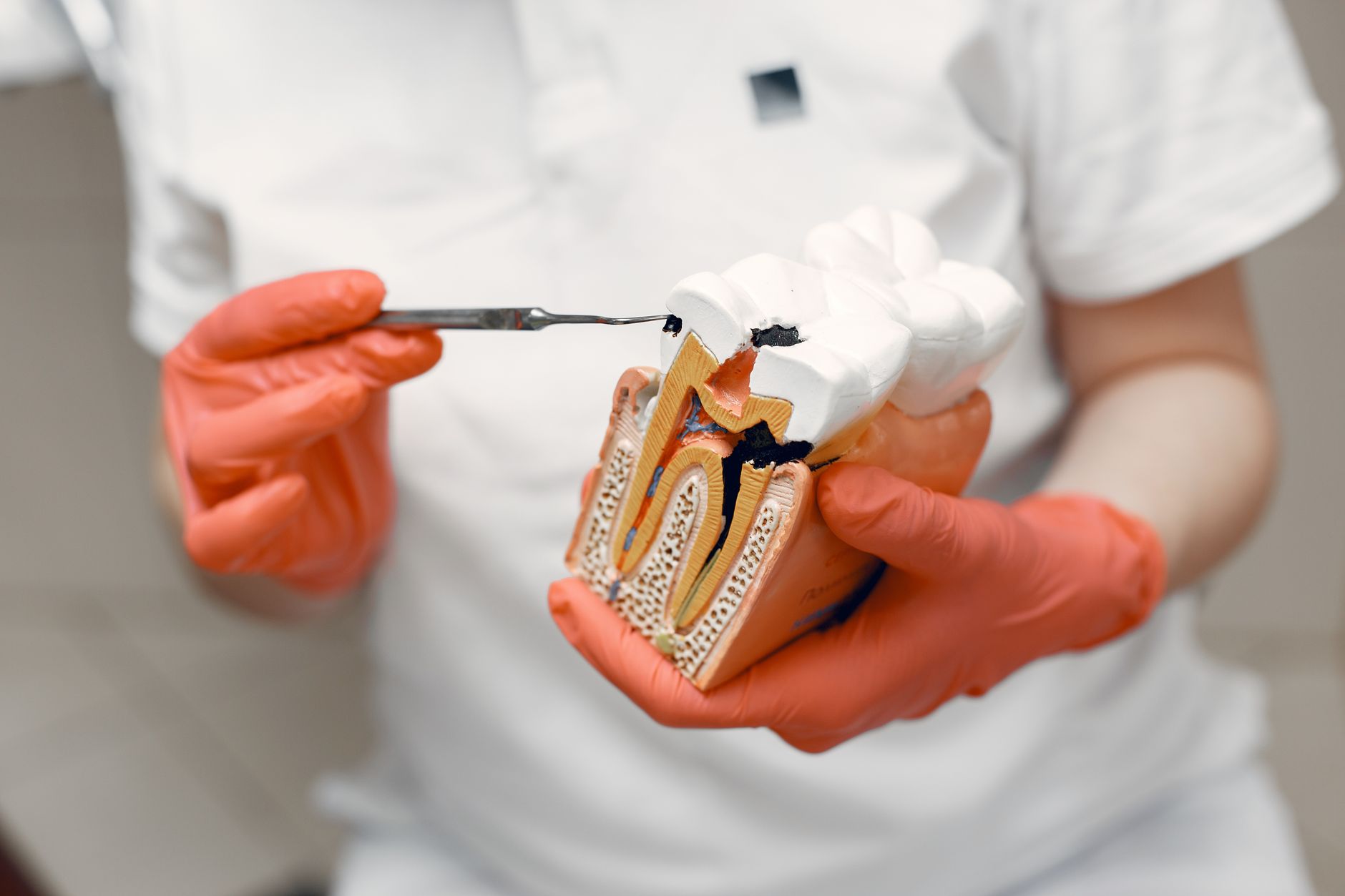
A root canal treats the living part of a tooth (the pulp) to remove infection and save the natural tooth. An extraction removes the entire tooth when it can’t be saved or when other treatments aren’t suitable. The best option depends on the tooth’s condition and your overall dental needs.
Signs that a root canal or extraction may be needed
- Persistent or severe tooth pain, especially when chewing or with temperature changes.
- Swelling, a pimple-like bump on the gums, or drainage near the tooth.
- Deep decay or a large broken piece of tooth that reaches the pulp.
- A tooth that is loose or causing bite problems due to damage.
Factors your dentist will consider
- Extent of damage or infection: If the pulp is infected but the root structure is sound, a root canal may be possible.
- Tooth location and function: Back teeth are important for chewing and are often saved when feasible; front teeth may be easier to replace cosmetically.
- Overall oral health: Gum disease, bone support, and the condition of neighboring teeth matter.
- Restoration needs: After a root canal many teeth require a crown; following an extraction you may discuss replacement options like implants or bridges.
Pros and cons at a glance
- Root canal: Preserves your natural tooth and maintains your bite and chewing function; may require a crown and one or more dental visits.
- Extraction: Removes the source of infection and can be quicker, but leaves a gap that may require an implant, bridge, or partial denture to prevent shifting and bone loss.
Replacement options after extraction
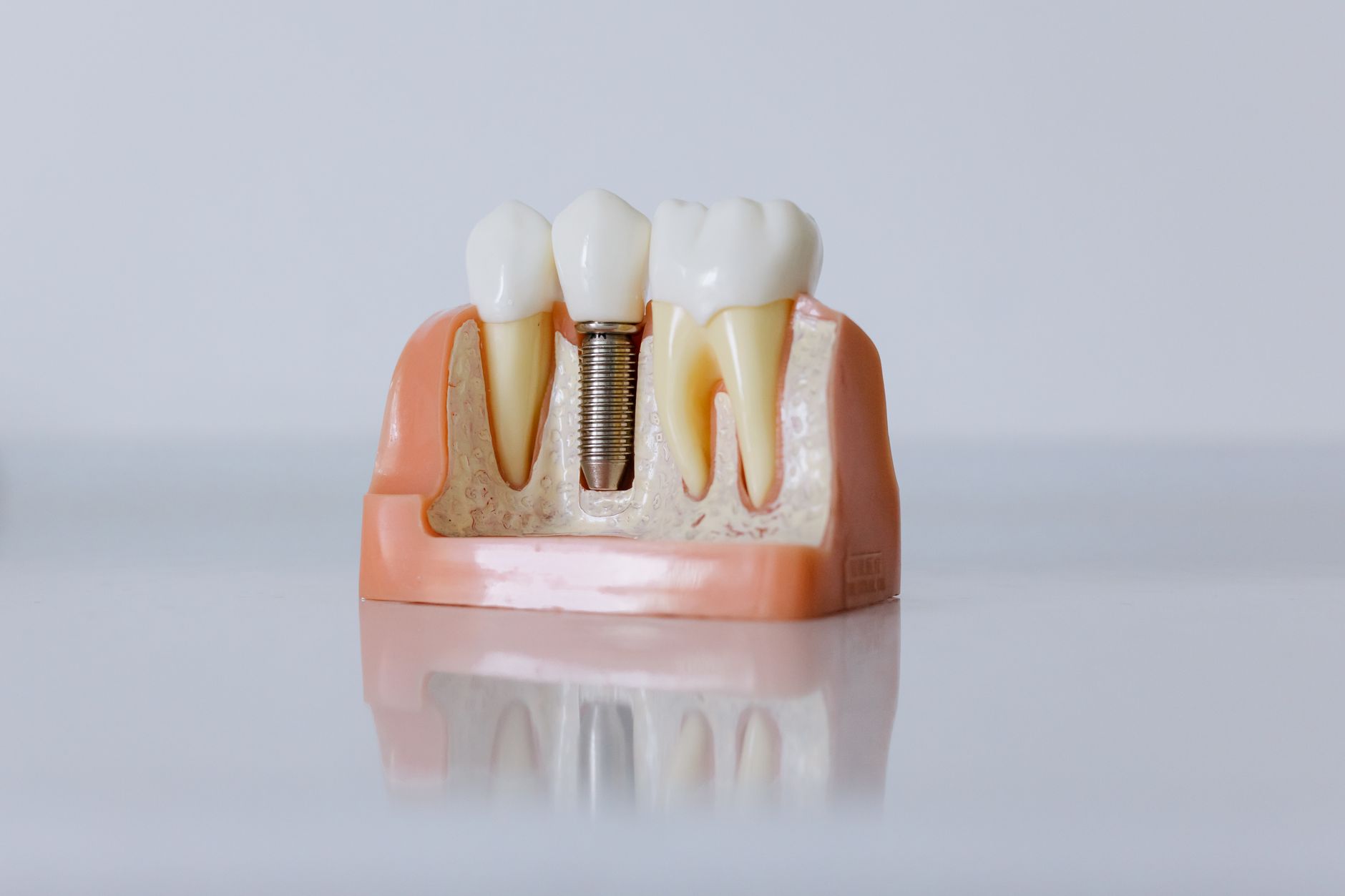
If an extraction is the best path, you can discuss long-term replacements such as dental implants, bridges, or removable dentures. Each option has different timelines, benefits, and care requirements. Learn more about options for missing teeth and implants.
What to expect during treatment
- Root canal: Local anesthesia is used, the infected pulp is removed, canals are cleaned and sealed, and a crown is often placed at a later visit.
- Extraction: Local anesthesia and sometimes sedation are used, the tooth is removed, and you’ll receive instructions for healing and whether a temporary or permanent replacement is recommended.
If you’re dealing with severe pain, a loose tooth, or a broken tooth from decay or injury, we can evaluate whether a root canal vs extraction is the better option. For problems like cavities or a broken tooth, our team often starts with a clinical exam and X-rays to guide the recommendation. See our page about treatment for cavities and broken teeth for more details.
Dr. Ankit Jain and the team at Central Suffolk Dentistry in Ronkonkoma take a patient-centered approach to help you weigh the pros and cons, including long-term oral health and restorative needs. When you’re ready, you can book an appointment to discuss your options in detail.
Aftercare and recovery
- Follow all post-op instructions: avoid hard foods, use recommended pain relief, and keep the area clean.
- Attend follow-up visits so your dentist can confirm healing or complete restoration with a crown or replacement tooth.
- Maintain good oral hygiene and regular check-ups to protect treated and neighboring teeth.
Choosing between a root canal vs extraction depends on the tooth’s condition, your oral health goals, and personal preferences. Our team will explain realistic outcomes and next steps so you can decide with confidence. To set a time to review your X-rays and options, schedule an appointment or call us at 631-471-4500.
Frequently Asked Questions
How do I know if my tooth needs a root canal or extraction?
Your dentist will evaluate symptoms, take X-rays, and assess the tooth’s structure and surrounding bone to determine whether the tooth can be saved or needs removal.
Is a root canal more painful than an extraction?
Both procedures are performed with local anesthesia to minimize pain; most patients report manageable discomfort afterward, and specific recovery instructions help control pain.
If my tooth is extracted, do I have to replace it?
Replacing an extracted tooth is recommended to prevent shifting and bone loss; options include implants, bridges, or partial dentures depending on your situation.
How long after a root canal will I need a crown?
Many teeth receive a crown soon after root canal therapy—often within a few weeks—so the tooth regains strength and function; your dentist will advise on timing based on your case.
Book a Consultation
It’s easy and free!