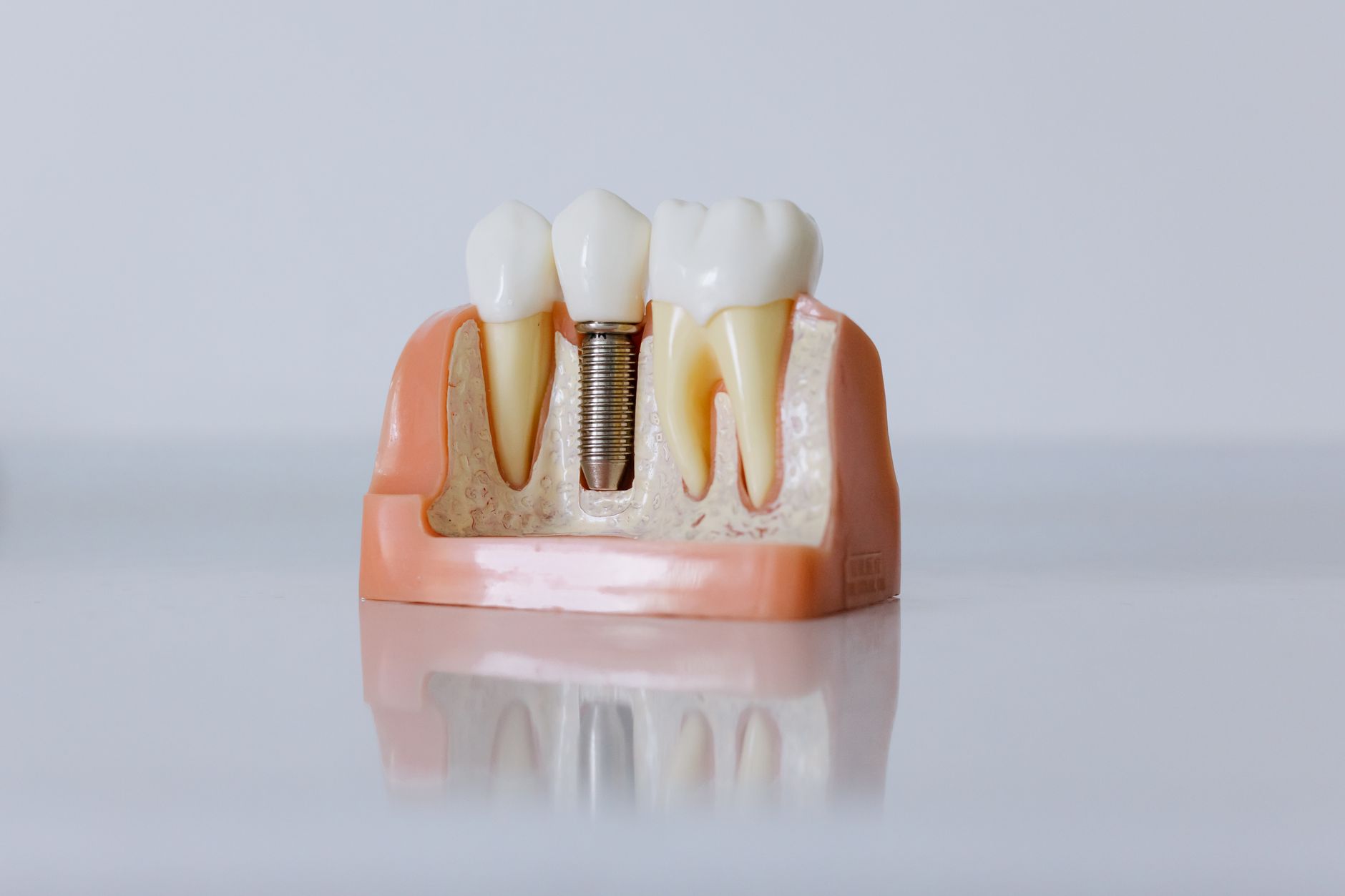
Compare root canal vs extraction — learn the benefits, recovery, and when each option makes sense so you can choose the best path for your tooth.

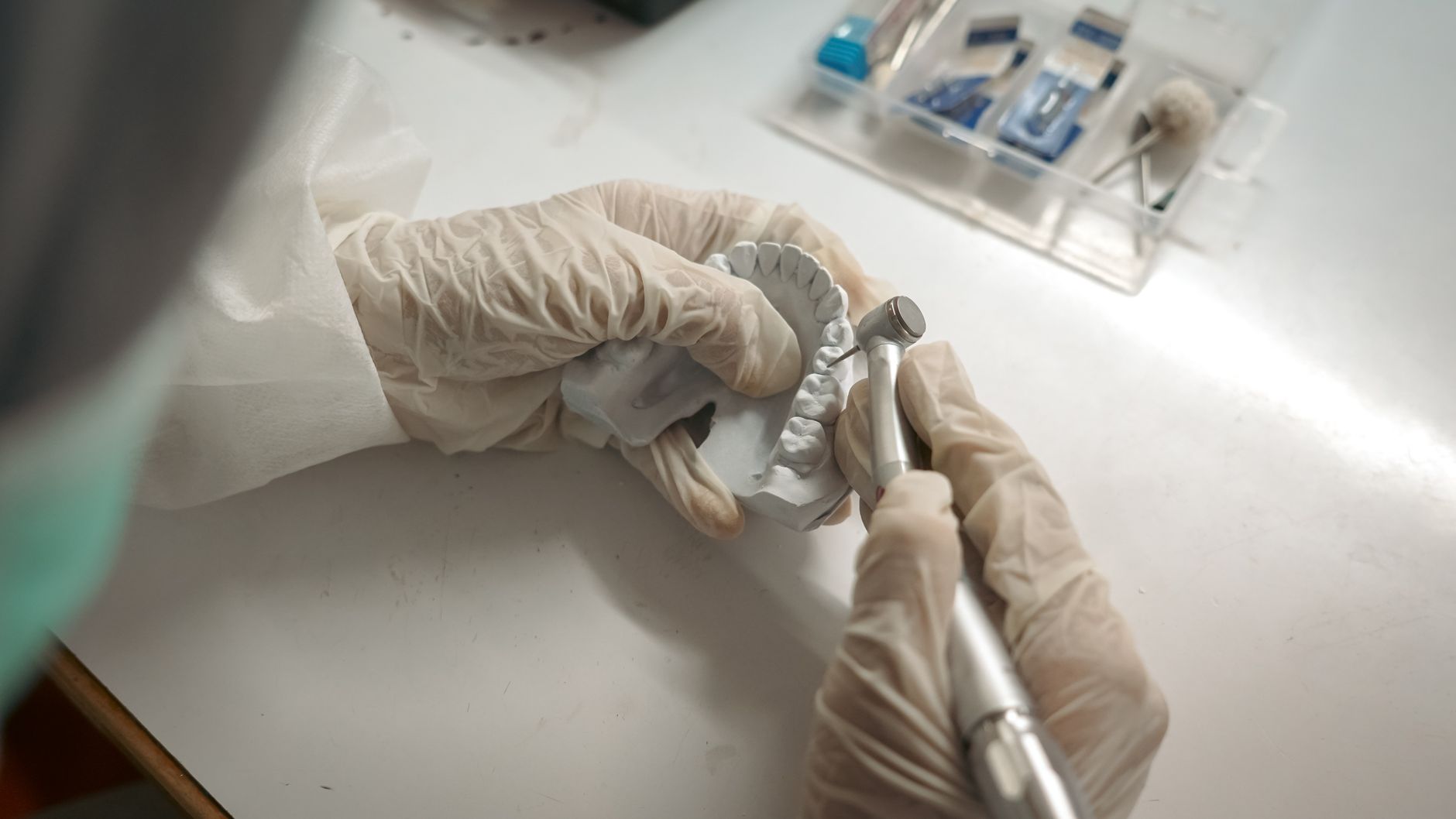
When a tooth is badly damaged or infected, many patients ask: root canal vs extraction — which should I choose? Both options can relieve pain and restore oral health, but they have different benefits, recovery paths, and long-term implications.
Comparing Root Canal vs Extraction
A root canal preserves the natural tooth by removing infected nerve tissue and sealing the canal. Extraction removes the entire tooth. The decision often comes down to the tooth’s remaining structure, the extent of infection, and your long-term goals for chewing and appearance.
When a root canal is usually the better option
- The tooth has enough healthy structure to support a crown afterward.
- Infection is limited to the pulp and surrounding bone shows no extensive damage.
- You want to keep your natural tooth to preserve jawbone and bite alignment.
When extraction may be the right choice
- The tooth is fractured below the gum line or is badly decayed with little remaining structure.
- There’s a severe infection that has destroyed supporting bone or repeatedly returns after treatment.
- Replacing the tooth (with an implant or bridge) offers a better long-term solution for your bite or finances.
Common causes that lead to either treatment include untreated decay, large fractures, or failed previous restorations. If decay or trauma caused the damage, our team can evaluate whether saving the tooth is possible and appropriate — see more about cavities and broken teeth.
What to expect for recovery and follow-up
After a root canal you may have a few days of mild soreness while the tooth heals; a crown is often placed to protect the tooth long-term. After an extraction, initial healing is quicker for the gums but full bone remodeling takes longer, and you’ll discuss replacement options to prevent shifting teeth.
If you do choose extraction, common replacement options include dental implants or bridges. Replacing a missing tooth helps maintain chewing function and prevents neighboring teeth from moving — learn about replacement choices at our missing teeth and implants page.
At Central Suffolk Dentistry, Dr. Ankit Jain discusses both root canal vs extraction tailored to each patient’s health and goals. Our Ronkonkoma office serves families across Suffolk County and Long Island, and we’ll explain the pros and cons so you can make an informed decision.
Questions to ask before deciding
- How much healthy tooth structure remains?
- What are the risks of infection returning with a root canal?
- What replacement options and timelines exist if the tooth is extracted?
- How will each option affect nearby teeth and chewing long-term?
Next steps
If you’re experiencing pain, swelling, or a broken tooth, call our office at 631-471-4500 for guidance. To review your options in person, schedule an appointment with our team. We’ll take diagnostic images, review your medical history, and recommend a treatment plan focused on comfort, function, and long-term oral health.
Frequently Asked Questions
How painful is a root canal compared to an extraction?
Modern root canal treatment is typically no more uncomfortable than a filling thanks to local anesthesia; extraction discomfort is usually short-term but can feel more intense immediately after the procedure.
Can any tooth be saved with a root canal?
Not always—teeth with severe fractures or very extensive decay may not have enough structure to support a crown, making extraction the more reliable option.
If I choose extraction, how soon should I replace the missing tooth?
Replacing a missing tooth is recommended as soon as your dentist advises—timing depends on healing, but earlier replacement helps prevent shifting and bone loss.
Book a Consultation
It’s easy and free!