A patient-friendly guide to dental fillings: types, how dentists choose them, what to expect during the procedure, and tips for care and durability.


If you have a cavity or a chipped tooth, you’re probably searching for clear information about dental fillings. This article explains common types of dental fillings, how they differ, and factors your dentist will consider when recommending a filling.
What are dental fillings?
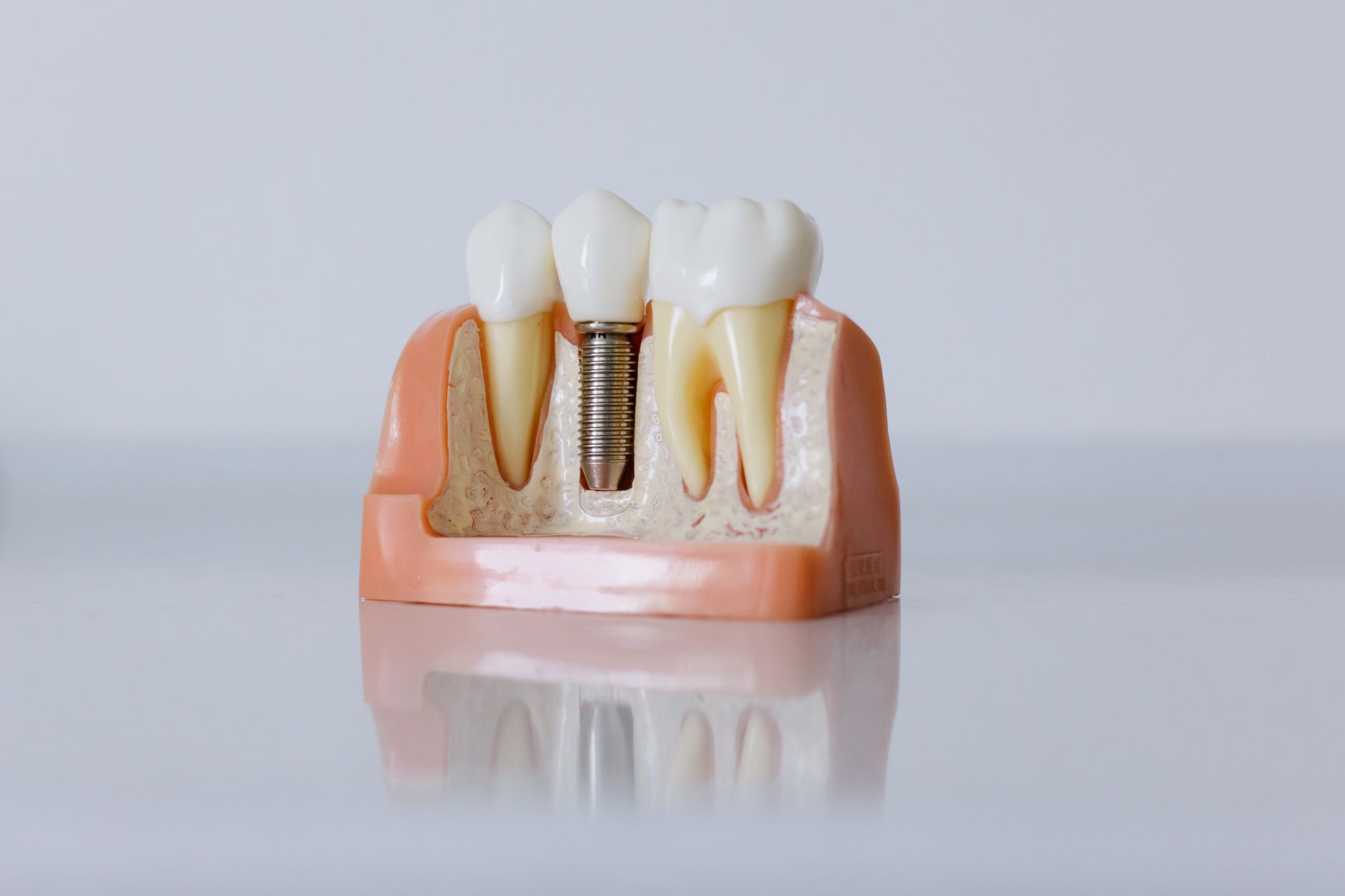
Dental fillings restore the shape, function, and appearance of a tooth after decay or damage. They stop decay from spreading, relieve sensitivity, and help you chew comfortably again. Your dentist will choose a filling material based on the size of the repair, where the tooth sits, your bite, and cosmetic preferences.
Common types of dental fillings
- Composite (tooth‑colored) fillings: Made from a resin mixed with glass particles, composite fillings match your tooth color and bond directly to the tooth. They’re a popular choice for front teeth and visible areas.
- Amalgam (silver) fillings: Durable and long‑lasting, amalgam fillings are made from a mixture of metals. They’re often used for large back teeth restorations where strength is a priority.
- Glass ionomer fillings: These release fluoride and bond to the tooth; they’re commonly used for small cavities near the gumline or on baby teeth.
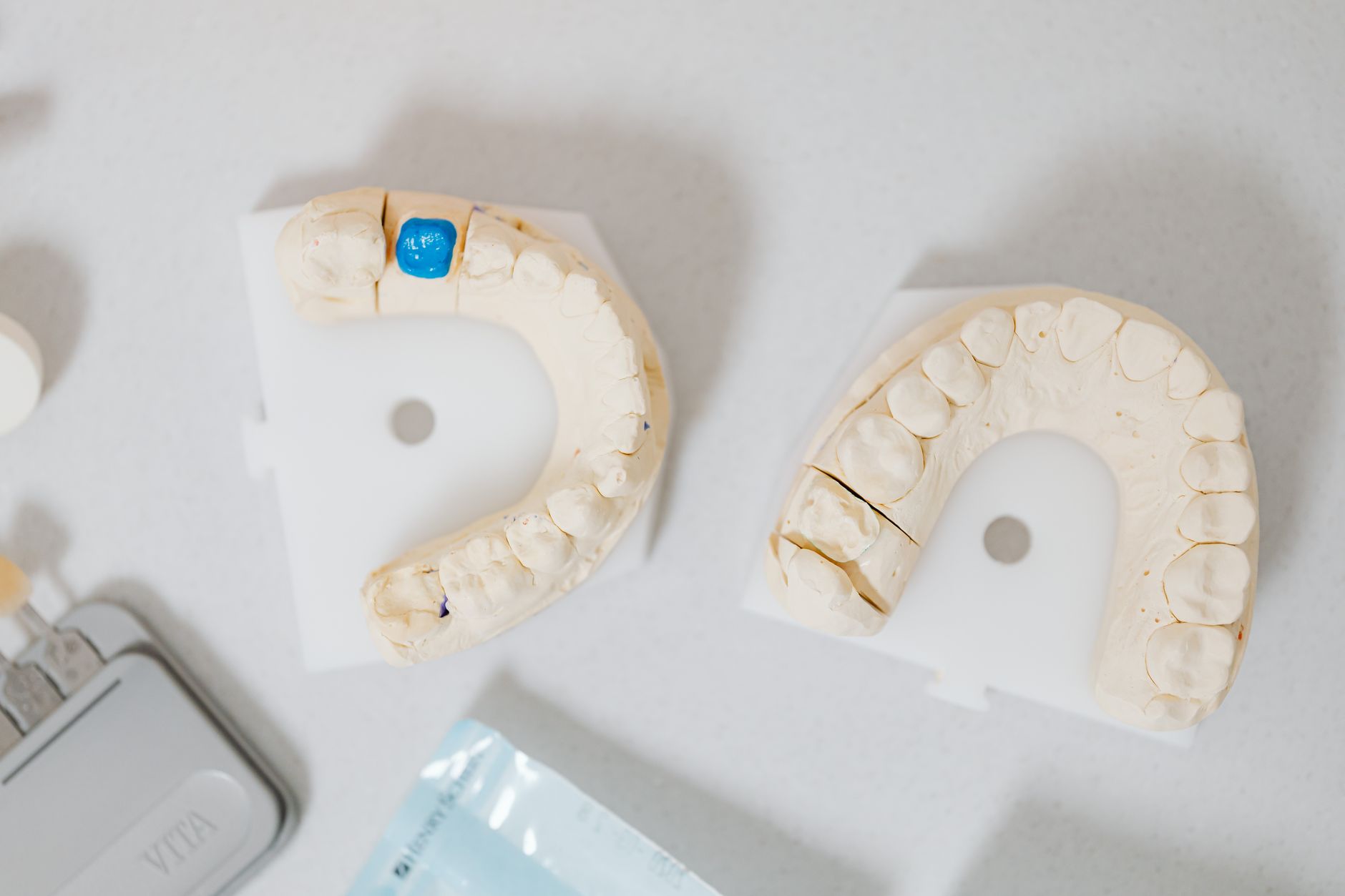
- Indirect restorations (onlays/inlays): When a cavity is too large for a direct filling but a full crown isn’t necessary, an onlay or inlay made in a lab (porcelain or gold) can restore the tooth with a precise fit.
How your dentist decides which filling to use
Choosing the right filling depends on several factors:
- Size and location of the cavity or damage
- Strength needed for chewing forces
- Desired appearance and whether the tooth is visible when you smile
- Any allergies or sensitivities to dental materials
- Budget and long‑term expectations
For example, composite fillings are often chosen for visible front teeth because they blend in, while amalgam or indirect restorations may be recommended for large back teeth where durability is most important.
What to expect during the filling procedure
Most fillings are completed in a single visit. Your dentist will remove decayed material, clean the area, and place the chosen filling. Composite fillings are layered and cured with a special light, while amalgam is shaped and set. Local anesthesia is commonly used so you’re comfortable during the procedure.
Durability and care
The lifespan of a filling depends on the material, the size of the restoration, and how well you care for your teeth. Good oral hygiene, avoiding very hard foods on large restorations, and regular dental visits extend the life of fillings. Regular check-ups also help catch wear or cracks early so they can be repaired before causing bigger problems; if you have concerns after a filling, our guide on treating cavities and broken teeth explains next steps.
Prevention matters: maintaining regular exams and cleanings reduces the chance you’ll need new fillings. Learn more about regular check-ups and cleanings to keep small problems from growing.
Dr. Ankit Jain and the team at Central Suffolk Dentistry aim to help patients choose the best restorative option for their needs. If you live in Ronkonkoma or elsewhere on Long Island, we can explain the pros and cons of each material and answer questions about durability, appearance, and maintenance.
When to call your dentist
- Sharp pain when biting or chewing
- Sensitivity that doesn’t ease after a few days
- Visible cracks, roughness, or pieces chipping away
- A lost filling
To discuss which type of filling is best for your situation, schedule an appointment with our office or call 631-471-4500.
Frequently Asked Questions
How long do dental fillings last?
The lifespan varies by material, size of the filling, and oral care — many fillings last years, but regular check-ups help spot wear early.
Are tooth‑colored fillings as strong as silver (amalgam) fillings?
Tooth‑colored composite fillings are strong for many uses and bond to the tooth, but very large restorations in back teeth sometimes benefit from stronger options like amalgam or indirect restorations.
Can a filling be replaced if it becomes damaged?
Yes. If a filling cracks, leaks, or falls out, your dentist can repair or replace it and recommend the appropriate material based on the situation.
Will getting a filling hurt?
Local anesthesia is commonly used to keep you comfortable during the procedure, and most people experience only minimal discomfort afterward.
Book a Consultation
It’s easy and free!