In case your gums are indicating something, you should definitely trust your feelings. One of the manifestations of periodontal disease is that it usually takes a really long time to grow and does not give very severe pain. A very large number of people are unaware of it until it becomes a significant issue.
Research indicates that a large proportion of adults have gum disease in varying degrees, despite their daily flossing and brushing. The first signs of the disease are tiny but extremely important. You can save your teeth and gums and avoid spending money on future dental visits if you know and act upon them.
Understanding Gum Disease and Why Early Action Matters
If not received treatment, gingivitis, the initial stage of gum disease, can progress over periodontitis, which is the more severe form of gum disease. This transformation affects gums only during the first stage; however, the ultimate result of the periodontal disease will be the loss of the bones that support your teeth.
The good thing about gum disease is that it can be easily controlled if recognised and treated early. The ability to identify the signs of gum disease and treat them promptly is very important for your oral health. It will help prevent more complicated procedures in the future.
7 Warning Signs of Gum Disease You Should Never Ignore
Gum disease has a long development period and does not occur suddenly. Your mouth is giving you several warning signs; all you need to do is learn to read them and respond appropriately.
1. Bleeding Gums While Brushing or Flossing
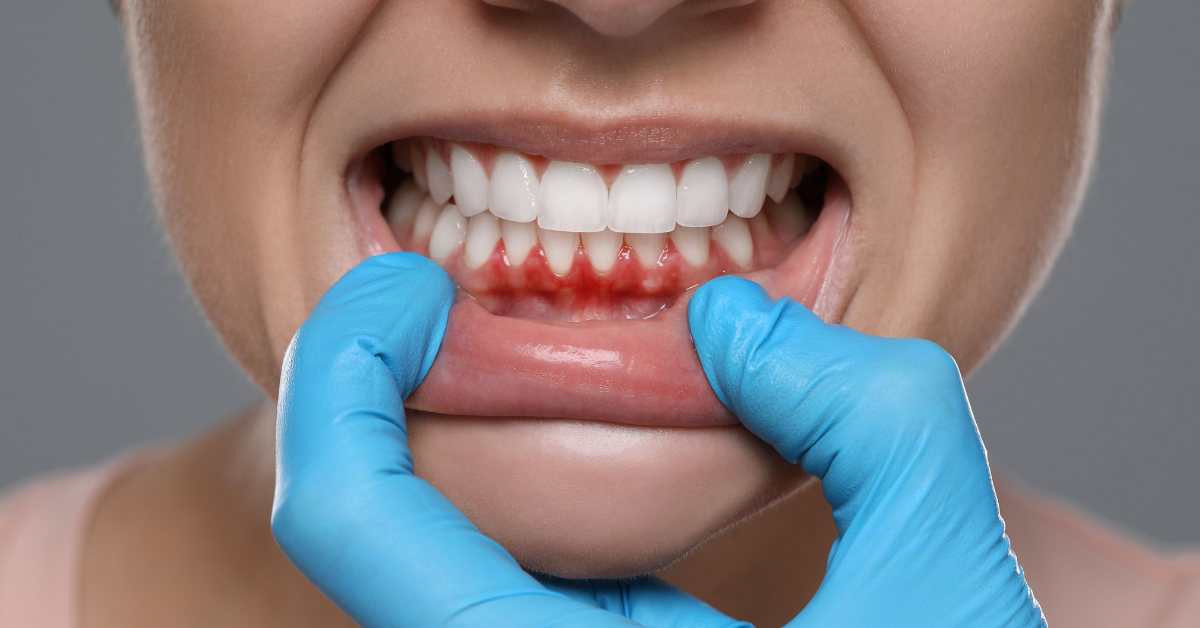
Most Bleeding Gums while brushing or flossing is an early indicator of gum disease. Healthy gums do not bleed even when flossing. Frequent bleeding indicates that your gums are inflamed due to plaque buildup.
Solution: Do not discontinue brushing or flossing. You should schedule a professional dental cleaning to remove plaque and tartar from behind the gums.
2. Red, Swollen, or Tender Gums
In addition to bleeding, at the early stages of gum disease, the gums may appear red rather than pink and feel sore and swollen. Gum swelling is a result of the body’s response to a bacterial infection.
Solution: Be more careful with your daily oral hygiene and make a dental appointment for a gum check. Early treatment can prevent the problem from getting worse.
3. Persistent Bad Breath That Won’t Go Away
Breath that has not changed even after brushing may be due to bacteria living under the gums. This is the leading indicator of gum disease.
Solution: Mouthwash may provide temporary relief, but dental cleaning is required to fully remove bacteria from deeper gum pockets.
4. Receding Gums or Teeth Looking Longer
Once the gums retract, the teeth’s roots become visible. This is an artistic brush effect that can even cause sensitivity.
Solution: Do not hesitate to see a dental professional. Although gums will not grow back, treatment can still be provided to prevent further recession.
5. Gum Pain or Sensitivity
Sore gums or pain while chewing can indicate that the infection is spreading beneath the gumline. Pain usually occurs when gum disease is advancing.
Solution: Self-treatment is to be avoided. A dental assessment is necessary to remove infected areas and protect the gums.
6. Loose or Shifting Teeth
As the bones supporting the teeth deteriorate, the teeth may become slightly loose or shift slightly.
Solution: At this point, the dentist’s help must be considered immediately. At this stage, specialized periodontal care is needed to stabilise your teeth and reduce the risk of tooth loss.
7. Pus Between Teeth and Gums
Pus in the area of the gums is an indication of severe bacterial infection. It frequently denotes that a cavity-like sac of pus has developed, which thus requires prompt treatment.
Solution: Tooth extraction and other related oral health problems can arise if you do not get professional dental help.
How Professional Dental Care Helps Stop Gum Disease Progression?
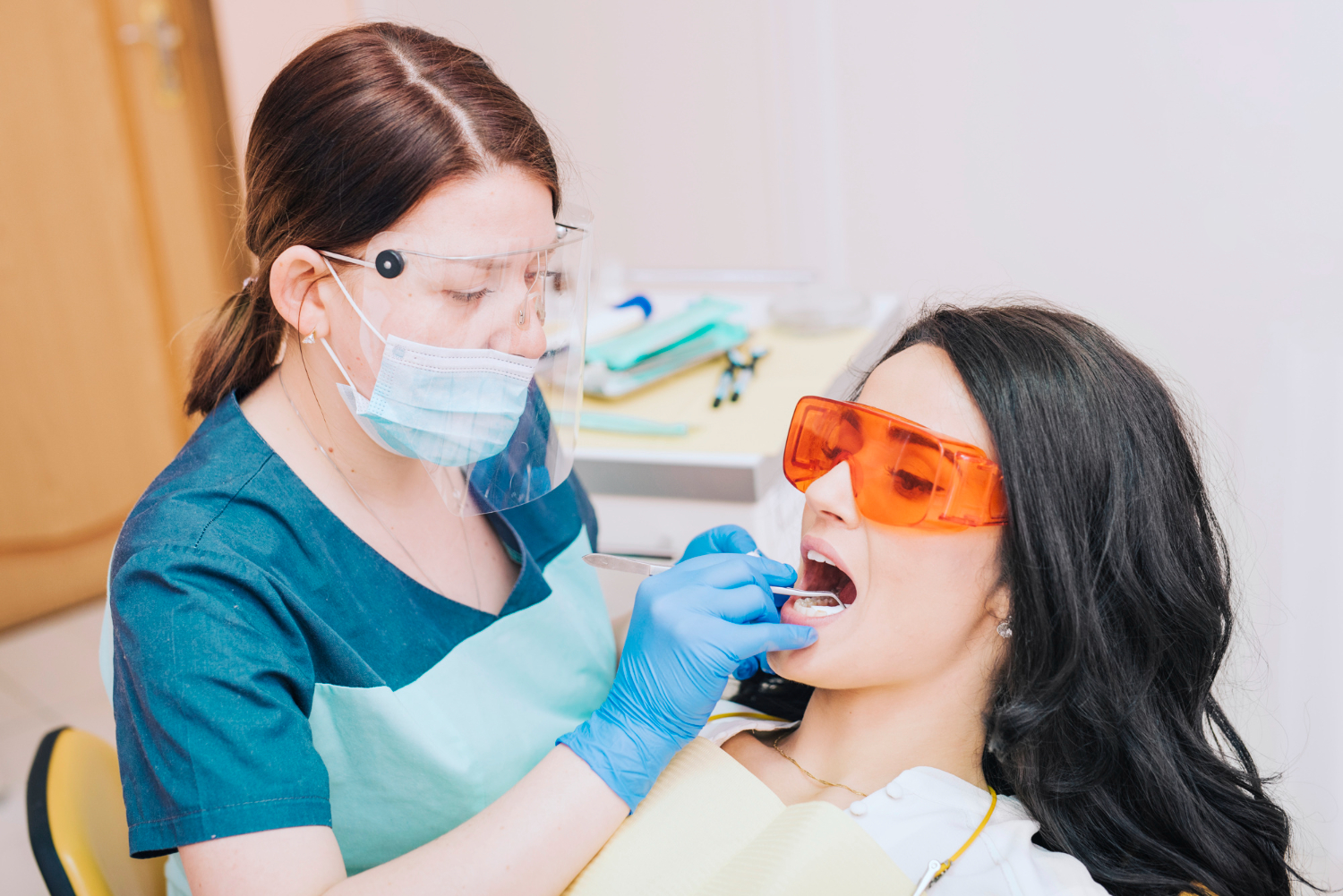
The earliest possible gum disease and a customized treatment plan for each patient are two significant aspects of the role that professional dental services play in the management of gum diseases. For example, Central Suffolk Dentistry emphasizes the importance of timely diagnoses and customised treatment plans.
A dentist may provide routine cleanings, deep gum cleaning or advanced periodontal care depending on the severity of the patient’s gum disease. When gum disease is diagnosed and treated at an earlier stage, there are fewer chances of needing surgery and more opportunities to save the patient’s natural teeth.
What You Can Do Right Now If You’re Worried About Gum Disease?
If you spot the first signs of gum problems, even small measures can lead to substantial changes.
- Brush your teeth twice a day
- Floss once daily to clean between teeth
- Avoid smoking or tobacco products
- Visit the dentist for regular cleanings
- Act early when gum problems appear
Very prompt action at the first signs of gum disease will not only make the treatment easier but also more effective.
Conclusion
Gum disease usually starts quietly and often goes unnoticed. Signs such as bleeding gums, bad breath, and slight discomfort are the initial warnings that should not be ignored. Each sign of gum disease, coupled with early intervention, helps protect the teeth and gums. Ignoring the onset of gum disease could result in irreparable damage, whilst early intervention makes the treatment uncomplicated.
At Central Suffolk Dentistry, patients undergo thorough assessments of their gum health and receive care tailored to all stages of gum disease. Our team of dentists’ priority is to preserve natural teeth, enhance gum health, and restore every smile’s confidence.
When it comes to gum disease, seeking early professional help can indeed lead to lasting change. Schedule consultant with us and get solution to all your gum problems.