
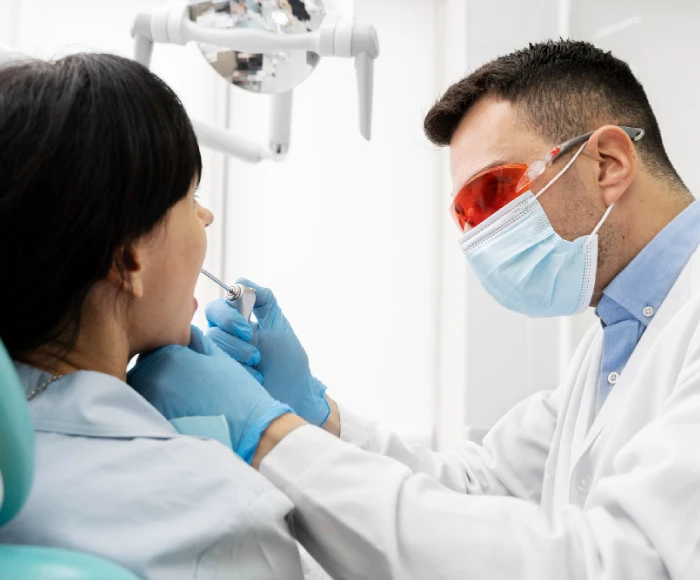
Professional Deep Cleanings for Better Oral Health
Tartar, a buildup under your gum line? Are your gums irritated? If so, then Deep Cleans are ideal for you. At Central Suffolk Dentistry, we offer Deep Cleaning services that go far beyond a normal brushing or flossing. Deep Cleaning has a primary purpose of removing Plaque & Calcium deposits from your teeth and gums by drawing them out from below the gum line, thus reducing inflammation and slowing the progression of gum disease.
Are you ready to experience the feeling of Rejuvenation in your Gums and a Healthier Smile? Every Deep Cleaning treatment we perform offers Precision, Comfort, and long-lasting results, resulting in an overall feeling of Refreshment in the Mouth.
Testimonials
Posted onTrustindex verifies that the original source of the review is Google. My husband and myself have been going here for years. It's under new owner now. Dr. Ankit is very caring , professional and knowledgeable dentist. He takes his time listening and talking to you. The staff remained and they as well are fantastic as always. Best of luck to you Dr. Ankit with your new practice.Posted onTrustindex verifies that the original source of the review is Google. Dr. Jain is the best dentist on long island, highly recommend. He and the office staff are extremely professional, kind and attentive. If you are looking for a trusted dentist, this is the place to go.Posted onTrustindex verifies that the original source of the review is Google. Had a wonderful dental experience with Dr.Jain!! He listened to all my concerns and was very attentive. If you’re looking for a great dentist, look no further.Posted onTrustindex verifies that the original source of the review is Google. Love the new dentist. Great personality, offers honest opinion. Office works with you when you are on a budget. I feel trusted here.Posted onTrustindex verifies that the original source of the review is Google. I brought my kids to see Dr Jain and he by far is the most caring dentist to be found. He took his time, making sure all my kids were comfortable and taken care of. One of my sons needed a root canal, mind you he’s a total chicken before seeing Dr Jain. In the chair he was so calm and allowed dr Jain to work. It made me happy to see my son was so at ease. If you’re looking for a kind, thoughtful, considerate, honest dentist. Dr Jain is your person. He treats all his patients with warmth and listens to their concerns and needs. Ensuring they get the best treatment possible. He goes above and beyond!Posted onTrustindex verifies that the original source of the review is Google. The best DDS and staff. first class work.
What are deep cleanings?
Deep Cleansings remove Plaque and Tartar that are built up underneath the gums, and remove the bacteria that lead to and cause Gum Disease. They are more thorough than routine cleaning and an essential service when pockets form between the gums and teeth.
Who needs deep cleaning services?
People who are showing signs of gum issues may be advised deep cleaning. Such signs are bleeding gums, persistent bad breath, swollen gums, or recession of teeth and gums creating spaces. A dental examination helps determine the need for this treatment.
Does deep cleaning teeth hurt?
Generally, most patients report feeling only slight discomfort or none at all. Local anesthetics or numbing gels are typically used to smooth the process and make it very comfortable for the patients. The patients usually notice some sensitivity for a short period of time after the treatment. Each person’s Deep Clean is tailored to the patient’s needs and comfort levels, ensuring a comfortable experience throughout the process.
How long does a deep cleaning take?
The amount of build-up determines the time required for the procedure. A lot of patients get their deep cleanings done in two to three visits, while the dentist is very slow at every visit and also helps the gums to heal properly.
What’s the difference between deep cleaning and regular cleaning?
Regular cleaning focuses on the enamel and the areas of the tooth above the gum line. The deep-cleaning procedure, however, penetrates the gums and removes bacteria hiding in the deepest pockets. This precaution helps control gum disease and reduces the risk of tooth decay.
How do I care for my teeth after a deep cleaning?
The first recommendation is to brush your teeth twice a day; the second is to floss your teeth carefully; and the third is to use any prescribed rinses to support your healing. Regular visits to a dentist allow the dentist to check the gums. Observing the post-care instructions will prolong the effect of your deep cleaning.
Can deep cleanings prevent gum disease?
No doubt about it. Deep-cleaning of teeth helped remove deposits of both plaque and tartar, which helped prevent gum disease throughout the period. The treatment, along with other good habits such as proper brushing and flossing, regular dental visits, and maintaining good oral hygiene, will keep gums healthy and strong while avoiding the recurrence of future problems.