
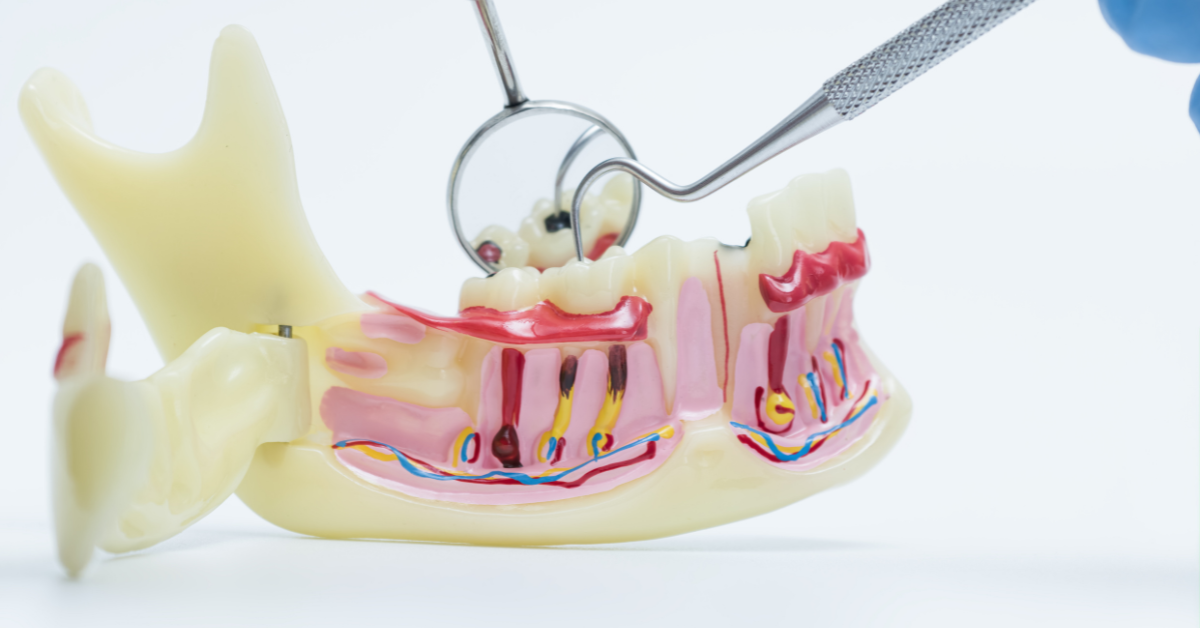
The development of a cavity is a gradual process. In several cases, it begins without pain or visible signs, making it easy to overlook. Tooth decay is one of the most common dental issues affecting children, adults, and the elderly. The reason is that early cavity symptoms are often relatively mild and easy to overlook.
Familiarizing oneself with the signs of a cavity and knowing the tooth decay causes can actually preserve the damaged tooth before it gets to a serious situation. This article will provide details on how cavities grow, the indications and signs to watch for, and why it is essential to get early dental care to keep your natural teeth healthy.
Understanding Cavities and Tooth Decay
Cavities are the small areas in the teeth that become affected and develop into holes over time. Tooth decay begins when teeth are not correctly cleaned and become covered with plaque, a sticky film teeming with bacteria. The bacteria then produce acids which slowly dissolve the enamel, the tooth’s hardest and outermost layer, until decay occurs.
If no treatment is given, the decay will eventually go deeper into the tooth, harming the dentin and even the pulp. The result can be infection, pain, and even tooth extraction in severe cases. From a dental care standpoint, cavities can be easily treated if detected early, but they become much more challenging to manage if left untreated.
Common Cavity Symptoms You Should Never Ignore
The symptoms of a cavity may first appear subtly, but they should not be ignored. Being alert to the signs early on helps prevent a serious problem from occurring later.
1. Tooth Sensitivity
A tooth that is not comfortable with hot, cold, or sweet food and drinks is most of the time signals a cavity in the forming process. When the enamel, which is the most challenging part of a tooth, is removed chiefly, the softer parts of the tooth underneath can be seen. Initially, the discomfort may be very mild, but it will likely become much more severe in the long run.
2. Toothache or Spontaneous Pain
Pain that occurs without an obvious cause or during chewing can signal that a cavity has extended to deeper parts of the tooth. Continuous tooth pain is a clear sign that the cavity has progressed beyond the initial stage.
3. Visible Holes or Dark Spots
The very presence of tiny holes, pits, or dark spots on the teeth is among the most apparent indicators of tooth damage. These alterations are usually the result of enamel loss, and thus, dental intervention is necessary.
4. Bad Breath or Unpleasant Taste
The bacteria that settle in a decayed tooth can be the source of bad breath or a lingering bad taste in the mouth. This symptom is relatively easy to overlook, but it often reveals untreated tooth decay.
5. Pain When Eating or Drinking
Pain that is felt intensely while consuming cold, sweet or acidic foods and drinks might point to either the exposing of the tooth’s nerves or the softening of the enamel. Therefore, it is a sure sign that not only is tooth decay there, but it is also getting faster.
What Causes Cavities and Tooth Decay?
A combination of factors and habits is the leading cause of tooth decay and cavities. Preventing future decays is made easier once the causes are identified.
1. Poor Oral Hygiene
When a person does not brush or floss their teeth, the tooth enamel can become covered with plaque. As a result, the process of bacteria in plaque will lead to the dissolution of the enamel and the formation of a cavity.
2. Frequent Sugar and Acid Intake
Sugary and acidic food and drinks are excellent nourishment for the bacteria. The moment you ingest something sweet or acidic, the bacteria start acid production, which causes the attack on the enamel and speeds up the decay.
3. Dry Mouth
Saliva plays an important role in tooth protection and it mainly works by liberating food and neutralizing acids. The risk of a cavity increases with decreased saliva production.
4. Worn or Weak Enamel
Enamel thinning results from tooth grinding, acid exposure, and aging. The enamel gets thinner, the more the tooth becomes to decay.
5. Skipping Regular Dental Checkups
Often, decay starts as cavities and is painless. If a patient skips dental appointments, the cavity can enlarge through decay without being noticed until it is in a severe state, requiring costly treatment.
At Central Suffolk Dentistry, regular check-ups help prevent severe damage from cavities and hidden decay.
How Cavities Progress If Left Untreated?
Cavities are formed in stages. First, they occur in the enamel and then penetrate the dentin, where pain and sensitivity are most felt. If the decay extends into the pulp, infection can occur, leading to abscesses and tooth loss.
Taking the treatment early allows the tooth to be saved and the dental procedures to be less complicated.
Who Is at Higher Risk for Tooth Decay?
Certain groups of people are at a higher risk of developing cavities, such as:
- Children and teenagers who are not yet good at taking care of their teeth
- Adults having gums that recede
- People suffering from dry mouth
- Frequent eaters
- Those who do not visit the dentist regularly
By understanding these risks, the dissemination of prevention plans among the dental practitioners is facilitated.
Conclusion
Cavities and tooth decay are often hard to notice at first because their development is slow and they are not usually accompanied by pain. However, recognising cavity signs and understanding the causes of tooth decay are very helpful in the long run for protecting teeth.
Central Suffolk Dentistry is the best dental clinic led by Ankit Jain, one of the trusted dentists, who assists patients with comprehensive preventive care and early diagnosis, which are significant factors in controlling cavities before they become larger.
Our team of dentists has the latest, most advanced technologies and an expert edge in treating cavities and tooth decay, helping patients smile freely again. Schedule a consultation with us, and you take a crucial step toward a healthy smile.