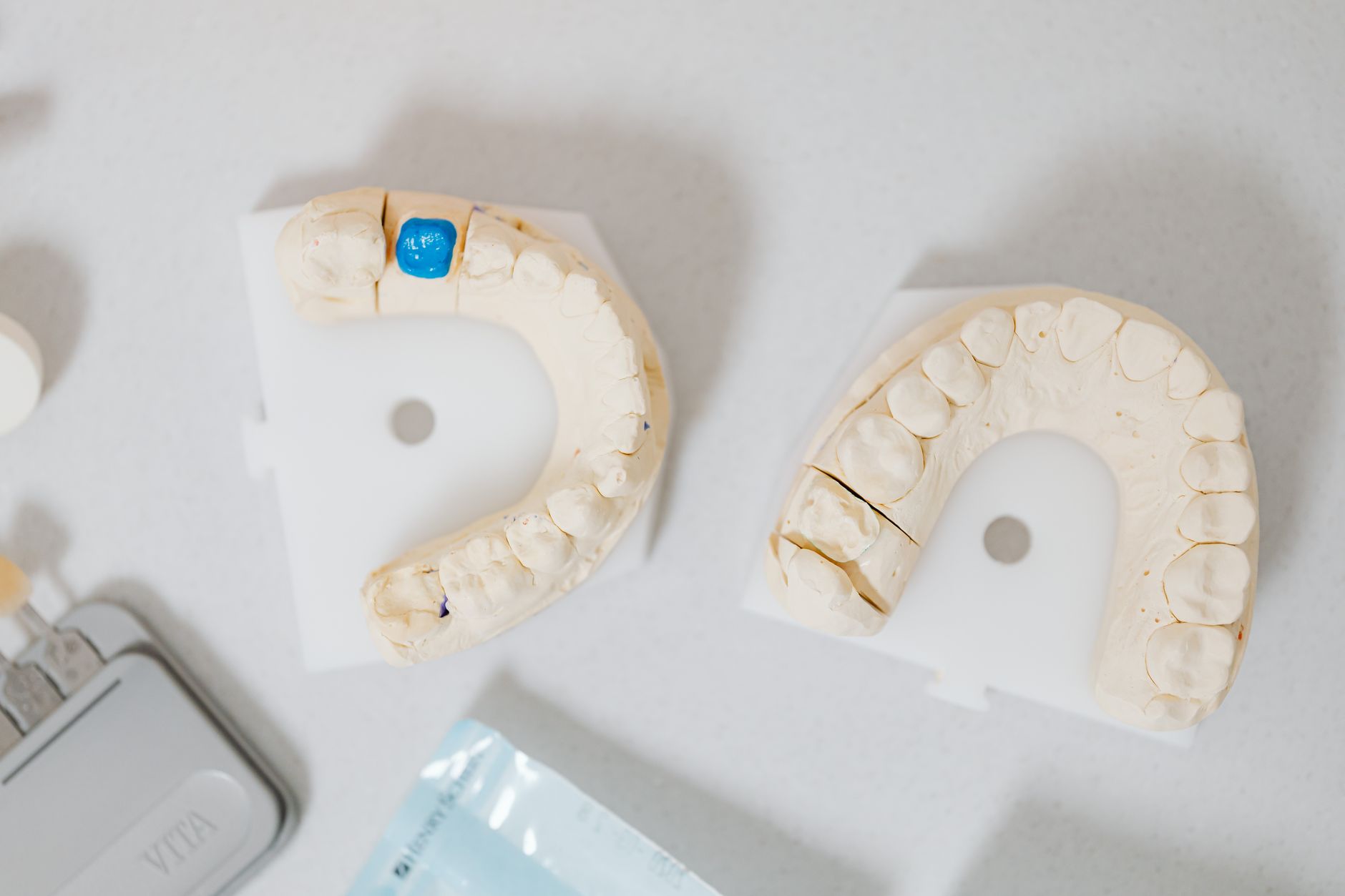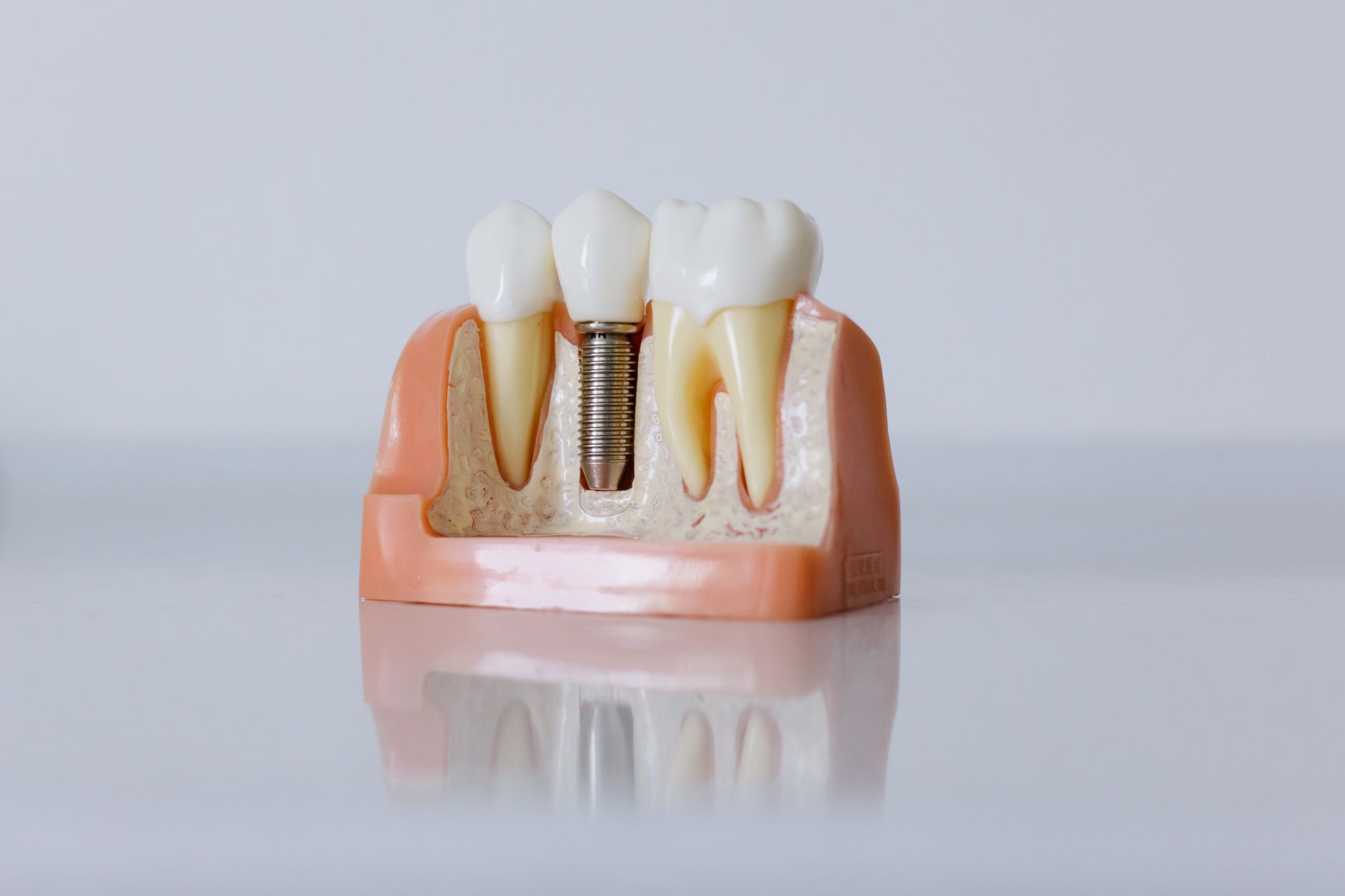
Compare tooth extraction vs root canal to learn how dentists decide which treatment fits your condition, what to expect, and next steps for replacement or restoration.


Tooth extraction vs root canal is a common dilemma when a tooth is badly damaged or painful. Deciding between saving a tooth with a root canal or removing it with an extraction depends on the tooth’s condition, your overall health, and your long-term dental goals.
Tooth Extraction vs Root Canal: How we decide
When we evaluate whether a tooth extraction vs root canal is the better choice, we look at several clinical factors: the amount of healthy tooth structure left, whether there is an active infection, the tooth’s role in chewing or appearance, and how predictable a restoration will be after treatment.
Common reasons you might need one or the other
- Severe tooth decay that reaches the nerve — often considered for a root canal if the remaining tooth can be restored.
- A fractured tooth that can’t be rebuilt — extraction may be recommended if the break is below the gum line or the root is compromised.
- Repeated infections or failed previous root canal therapy — sometimes extraction becomes the practical option.
- Crowding or orthodontic planning — extractions can be part of an overall treatment plan.
Problems like deep decay or a broken tooth are common reasons to start this conversation; if a tooth is causing sudden severe pain or swelling, evaluate immediate care options through our dental emergencies page.
Dr. Ankit Jain and the team at Central Suffolk Dentistry will perform a clinical exam and usually take X-rays to explain whether a root canal or extraction best meets your needs. We serve patients throughout Ronkonkoma and Long Island and focus on clear, comfortable care tailored to each person.
When a root canal is usually recommended
A root canal is often the choice when the tooth’s pulp (nerve) is infected or inflamed but the surrounding tooth structure and bone still allow for a reliable restoration. The goals of a root canal are to remove infection, preserve the natural tooth, and restore function with a filling or crown.
- Pros: preserves natural tooth, maintains normal bite and chewing, typically predictable long-term with proper restoration.
- Considerations: requires multiple steps—cleaning the canals, filling them, and restoring the tooth; a crown is often recommended afterward to protect the tooth.
When extraction may be the better option
Extraction is considered when the tooth is too damaged to restore, if there’s ongoing bone loss or uncontrolled infection, or when replacement with an implant or bridge is a more practical long-term solution. After extraction, we discuss options for replacing the missing tooth so you don’t lose function or bone support.
- Pros: removes source of infection quickly, may simplify treatment when a tooth cannot be saved.
- Considerations: replacing the missing tooth (with an implant, bridge, or partial denture) requires planning; replacement affects cost and timeline.
If a decayed or fractured tooth is the cause of your symptoms, start by reviewing treatment options for cavities and broken teeth on our cavities & broken teeth page.
What to expect during treatment
Root canal visit
- Local anesthetic is used so the procedure is comfortable.
- The dentist or endodontist removes inflamed tissue, cleans and shapes the canals, and seals them.
- You’ll return for a permanent restoration (often a crown) to protect the tooth.
Extraction visit
- Local anesthetic (and sedation, if needed) keeps you comfortable during removal.
- We provide instructions for healing, pain control, and avoiding infection.
- We’ll discuss replacement options and timing—whether an implant, bridge, or partial denture is right for you.
Recovery and aftercare
After either procedure you can expect some tenderness for a few days. Follow-up care includes keeping the area clean, taking prescribed or recommended medications as directed, and returning for restoration or replacement planning. Smoking, uncontrolled diabetes, and some medications can affect healing, so share your full medical history with your dentist.
How to decide: questions to ask
- Can the tooth be restored reliably after treatment?
- What are the risks and benefits of saving the tooth versus removing it?
- What replacement options exist if extraction is chosen, and what are the timelines?
- How will each option affect my bite, chewing, and appearance long-term?
If you’d like personalized guidance on tooth extraction vs root canal, our team can review your X-rays and explain realistic next steps. To discuss options with our office, schedule an appointment.
At Central Suffolk Dentistry, Dr. Ankit Jain and our staff aim to help you make a comfortable, informed choice that fits your oral health goals. To arrange care or ask a question, book an appointment or call us at 631-471-4500.
Frequently Asked Questions
How painful is a root canal compared to an extraction?
Both procedures are performed with anesthesia and are usually well tolerated. Discomfort after either treatment is typically managed with over-the-counter or prescribed pain relief and subsides over a few days.
If I extract a tooth, do I have to replace it?
Replacing an extracted tooth is strongly recommended to restore chewing function and prevent shifting of neighboring teeth; options include implants, bridges, or partial dentures based on your needs.
Can every tooth be saved with a root canal?
Not always. A root canal is best when there is enough healthy tooth structure and bone support. If the tooth is severely fractured or the root is compromised, extraction may be the safer option.
How long does it take to recover from an extraction or root canal?
Recovery varies by person and procedure but most patients feel back to normal within a few days to a week. Complex extractions or additional restorative work can extend the timeline.
Book a Consultation
It’s easy and free!