Ever bitten into something soft and still felt a sharp jolt in your tooth? That sudden reminder that something isn’t right can be frustrating sometimes. Dental crowns often step in at that exact moment quietly doing the heavy lifting to restore strength, shape, and confidence in your smile.
Why Dental Crowns Are Needed
A dental crowns is basically a custom-made cap placed over a damaged or weakened tooth. Dentists recommend crowns for several reasons. Maybe your tooth cracked while chewing. Maybe decay went too deep for a simple filling. Or perhaps you just finished a root canal and need added protection.
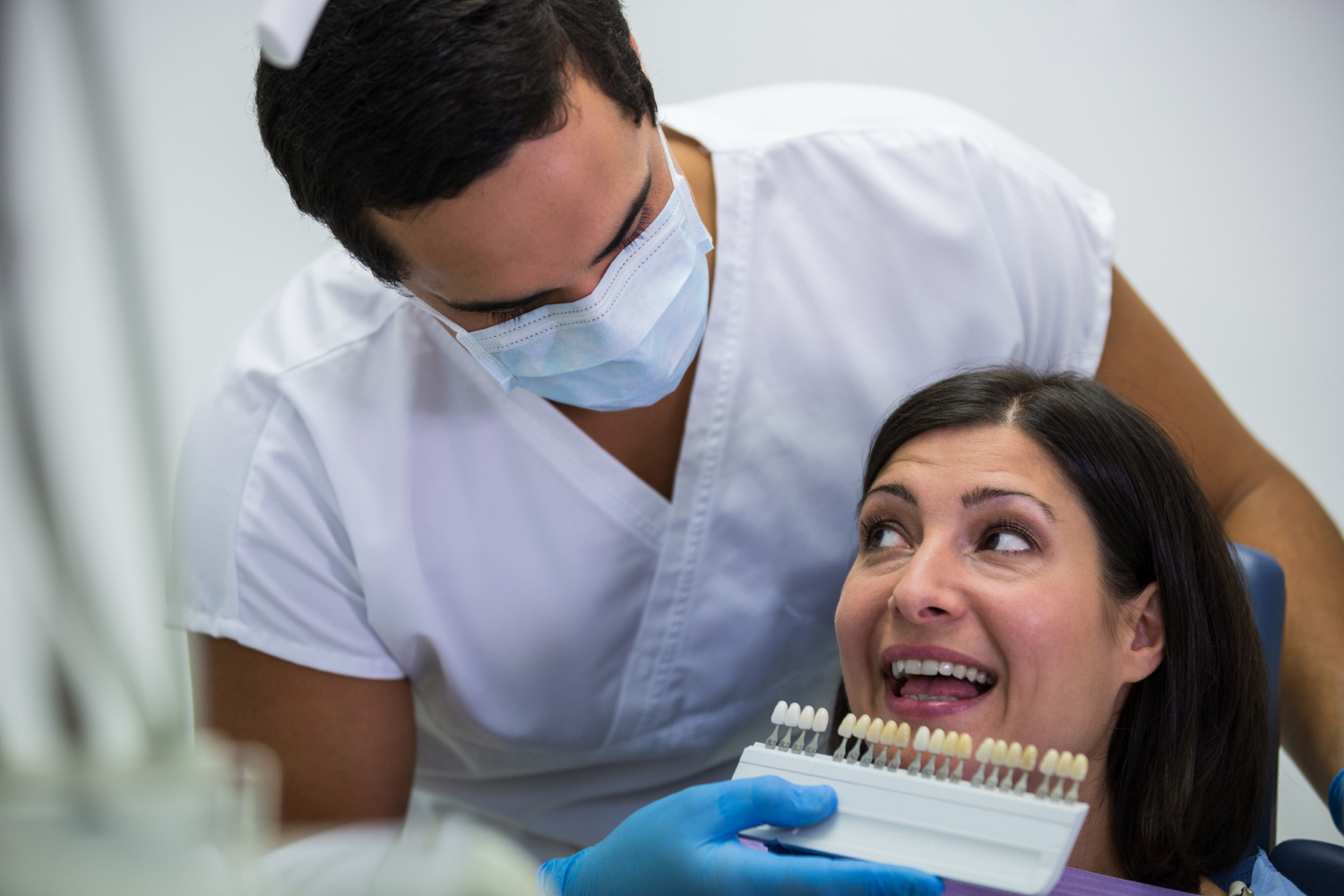
Crowns also improve appearance. Discolored, misshaped, or worn-down teeth can look completely different once covered with a well-designed crown. It’s not just about function and it’s about feeling comfortable when you laugh, talk, or pose for photos.
How the Dental Crowns Procedure Works
The process usually takes two visits. During the first appointment, the dentist reshapes the tooth so the crown can fit snugly. Then they take impressions and think of it like creating a mold to ensure the final crown feels natural. A temporary crown protects the tooth while the permanent one gets crafted in a lab.
On the second visit, the dentist removes the temporary piece and bonds the permanent crown in place. A few quick adjustments, and you’re good to go. Most people are surprised by how normal everything feels once it’s done. Eating, speaking, even flossing, it all becomes normal routine again.
Types of Dental Crowns
- Porcelain crowns: Great for front teeth because they match natural color.
- Metal crowns: Extremely strong and long-lasting, often used for molars.
- Porcelain-fused-to-metal: A mix of durability and aesthetics.
- Zirconia crowns: Popular for their strength and natural look.
Your dentist will help you choose based on tooth location, budget, and personal preference.
Possible Risks and What to Expect
Like any dental treatment, crowns come with small risks. Some people experience sensitivity for a few days. Others might notice mild gum irritation or discomfort while adjusting to the new bite. Rarely, a crown can loosen or chip, especially if you grind your teeth or chew very hard foods.
Good oral hygiene makes a huge difference. Regular brushing, flossing, and dental checkups help crowns last for many years, sometimes over a decade.
Final Thoughts
Dental crowns restore more than just teeth. They bring back comfort, function, and that easy, natural smile most of us take for granted — until something goes wrong. If you’ve been putting off treatment, it might be time to talk to professionals who understand both the science and the human side of dental care.
Bringing healthy smiles to Suffolk County since 1998, Central Suffolk Dentistry continues to serve the community with warmth, trust, and attention to detail. Get in touch with us today to book your appointment with us!